Benny Lovett lost his playing dream, not his place in rugby league

The effort was always the talent
Lovett’s greatest asset was never something you could measure with a stopwatch, and I reckon that explains both the player he became and the work he does now.
He remembers growing up in Parkes where everyone knew everyone, kids could roam on scooters and sport meant being with your mates. Cricket, basketball, touch football and field hockey all had a turn; hockey was a serious option, with his brother going on to an Australian squad.
Football eventually won him over through the friendships and what he watched on television. Manly belonged to the family, with his father and grandfather diehard supporters, and Daly Cherry-Evans among his favourites.
Lovett recalls being neither fast nor strong in his early teens, with interest probably arriving around under-16s. He preferred tackling and effort to scoring tries, and coaches recognised the hard worker underneath. There’s something lovely about that beginning: he wasn’t chasing a reputation so much as trying to contribute.
Someone had to open the door
Andrew Purcell’s willingness to notice the unflashy stuff changed Lovett’s possibilities, and I reckon that is representation at its best.
Lovett remembers being frightened of the opposition at a school trial in Wagga in year 11, then finding Purcell beside him and his dad in the car park afterwards. The manager praised effort away from the ball, rather than anything showy, and offered opportunities a bush kid probably wouldn’t otherwise find.
After considering it with his family and speaking with Billy Burns, Lovett took that step. Penrith training had produced no real interest, but a Rabbitohs trial at Belmore brought an immediate welcome.
Souths wanted him in Sydney for year 12; Lovett stayed home because moving for three terms probably wasn’t workable, then joined after finishing school. Later, Purcell gave him somewhere to live. Lovett doesn’t think first grade would have happened without that help, although he acknowledges nobody can know. I’d call that a relationship, not merely an agreement.
The dream had a working week
Lovett’s move to Sydney was an apprenticeship in living as much as football, which is why I find the ordinary details worth keeping.
He sold shoes at Pace Athletic, drawing on familiarity with his father’s sports shop, then drove to training on days that could stretch from nine in the morning until eight at night. He learned to cook through afternoon trips to Woolies and experiments in the kitchen.
Then the coronavirus pandemic interrupted the football he had moved for. In 2020, after four months of preparation, he was 18th man, played a full match for a feeder side on Saturday and entered the junior game on Sunday after another player suffered a serious medical emergency. Souths came back to win, and Lovett earned a starting spot the following week.
The competition stopped instead. It happened again in 2021, after he had established himself through defensive work and earned his teammates’ respect. Lovett kept working and training; eventually, a paid first-grade training block made full-time preparation possible.
Parkes got there with him
Lovett’s debut belonged to more than the bloke coming off the bench, and I reckon the people opposite him tell you why it mattered.
After an ankle syndesmosis injury disrupted 2022, his ambition was regular reserve-grade football. Sam Burgess, arriving as an assistant for 2023, thought he should aim for National Rugby League selection from round one instead. Jason Demetriou eventually told him on a Monday that he would play.
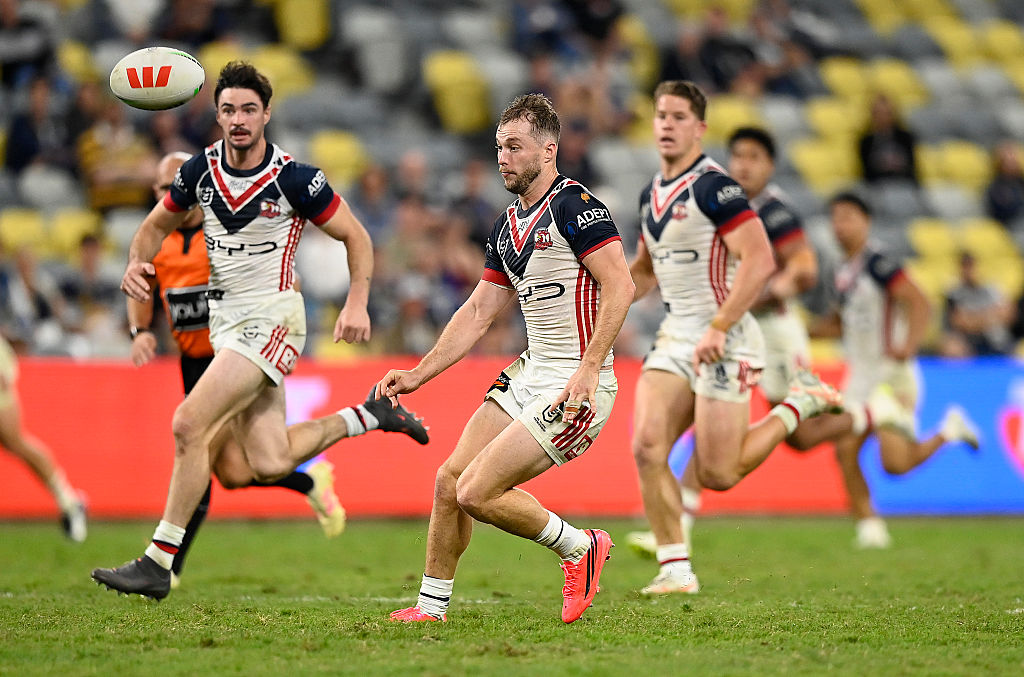
His round-three debut came against Manly and Cherry-Evans, with family, friends and coaches from Parkes watching. Lovett thinks he organised 150 tickets and that a full 50-seater bus came down. Seeing them reminded him who had helped get him there.
Three first-grade appearances followed, alongside a successful reserve-grade season that ended in a grand-final win — and catastrophe. Tackling midway through the second half, Lovett caught his knee; his kneecap struck his femur and fragmented. He asked to return, unaware of the damage, but medical staff refused. That refusal was absolutely right; wanting to help his mates couldn’t make the knee safe.
Stopping was not surrender
Medical retirement was the right decision, but Lovett’s account makes clear why accepting it took much more than hearing the advice.
His club doctor explained the fragments through an image of dropped cake crumbs that couldn’t be collected. Surgery reconstructed the kneecap with pins and wiring, but lost cartilage remained the major concern. A rehabilitation estimate of probably six to eight months gave way to stalled progress: Lovett couldn’t regain strength or begin running.
Cam Murray helped him articulate the need to try before stopping. When he finally ran, Lovett told staff he was okay, then went home unable to climb the stairs. His knee was bone on bone.
His incoming coach later told him he thought retirement was in his best interests, asking him to consider life beyond football. Lovett initially rejected it, but now believes the conversation was right. His parents were relieved.
I don’t want that acceptance mistaken for an easy recovery. Lovett describes a dark period after moving into unfamiliar shared accommodation, with talking to family and the club’s wellbeing staff helping him through.
Now he opens the door
Lovett’s new work is a continuation of his strengths, not a consolation prize, and Souths deserve credit for keeping him connected.
The club extended his contract a week after the injury. During rehabilitation, Souths Cares visits and junior coaching gave him something he loved, bringing community recognition and club awards. David Furner subsequently offered him a junior assistant-coaching role, drawing on Lovett’s longstanding interest in teaching.
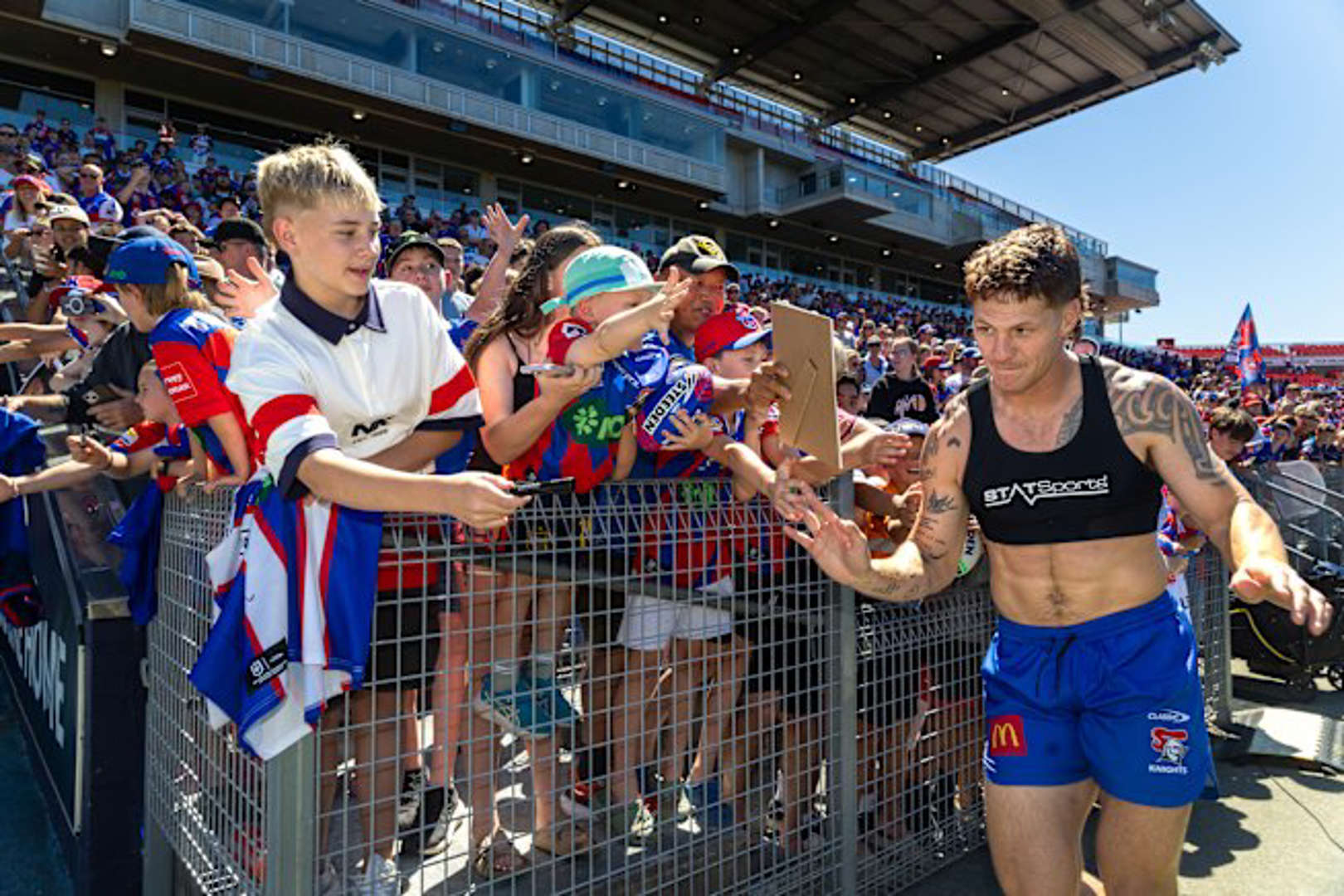
Now a full-time staff member, he mentors five young players living away from home, helping them balance work, football and independence. There’s no alcohol in the house, respect underpins the rules, and the boys are learning to cook — recently progressing to a slow cooker and a sizeable piece of beef.
Lovett finds fulfilment in their progress, including Dayne Jennings playing three games this year. He favours helping them be themselves rather than picking apart missed tackles.
He reckons he misses playing nearly every day, but doesn’t regret retiring; after another operation removed the pins, his knee is doing reasonably well for everyday life. I reckon that is the ending worth protecting: not everything he wanted, but plenty still worth building.