How Darryl Brohman beat cancer twice & kept rugby league smiling
Cancer could take his hair, not his humour
Darryl Brohman has fought cancer for the second time, and I reckon his refusal to make himself the tragic centre of the story says everything about him. After six chemotherapy treatments, three weeks apart over probably five months, his hair has returned and his specialist has intimated that he is okay, although Brohman knows doctors are reluctant to declare the battle finished.
The non-Hodgkin’s lymphoma announced itself through a week of stomach pain, which Brohman likened to having a brick sitting low in his belly. Cathy, Shane Flanagan’s wife and a nurse, urged him to get checked; he did, and Brohman considers himself lucky she spoke up.
Chemotherapy made him listless, stripped away all his hair and left lasting damage to his taste, yet he never felt scared. At St George Hospital he would enter a large room containing probably 50 recliners, perhaps 30 occupied by people receiving the same treatment, and remind himself that somebody was always worse off.
“I was never scared. No, I wasn’t.” That is not bravado to me. It is Brohman’s lifelong instinct to look around, keep perspective and find a way through.
The funny bloke was once the chubby kid
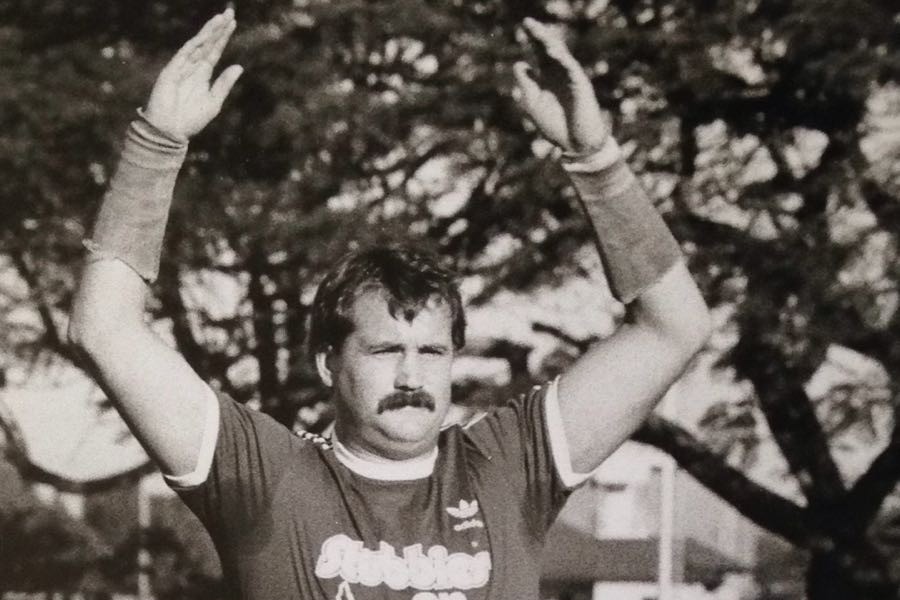
Brohman’s humour has never been an act, and that is why it has lasted. He remembers being a funny but not overly confident child in the 1960s, when being chubby made life difficult, before gradually finding the nerve as a teenager to use the sense of humour he believes had always been there.
That instinct became his broadcasting identity. Brohman probably tries to be funny first, although he says it is simply part of his nature, and after years exposed to wind, rain, hail and sun on the sideline, he finally reached the co-commentary box he wanted — shelter, football and the occasional pie included.
At 70, he rates himself near the top as a radio commentator, and fair enough. His team has spent most of his tenure near the top of the ratings, while the recent 40-year celebration at Canterbury Leagues brought former contributors back together, including some who had not departed on happy terms.
Yet his contract is up and his future is quiet. Brohman feels he has probably got another year left, but he will not be bitter if it ends. “I’ve had a really, really good run,” he says, and there is dignity in being able to mean it.
Bev has been the constant behind the comedy
The best love stories are rarely polished, and Brohman’s life with Bev is wonderfully, unmistakably theirs. They met at Canterbury Leagues in 1989 after the Chinese restaurant upstairs had probably closed and the room had become a disco; his opening line was appalling, she did not linger, yet she returned the following week and they have been together ever since.
Brohman proposed once, without flowers or ceremony, and Bev declined. He never asked again, they decided they did not need marriage, and the arrangement has survived far longer than plenty of grand romantic gestures.
They have slept separately for years because both value a decent night’s rest, particularly with Brohman having used a sleep-apnoea mask for 16 years. Bev has the en suite while he occupies what he calls the crappy front room, surrounded by memorabilia, racing coverage, a fridge and every little comfort he wants — “It’s basically a shrine to myself.”
The jokes should not obscure the truth. Bev was always available during his cancer treatment, and Brohman recognises she probably endured plenty herself. Now their young grandson, whom they mind on Wednesdays and Fridays, is the light of both their lives.
His football life was built on lifelines and laughter
Brohman’s career mattered because he could play, but the stories have survived because he could laugh at himself. He came to Sydney in 1979 after playing first grade in Brisbane from 1974, later leaving a Penrith club he loved when no contract was available and choosing Canterbury after the Bulldogs offered more than Parramatta.
The move delivered two premierships in his two seasons there, even if he jokes that he sat on the bench and kept the jersey. It also produced the glorious Belmore afternoon when Brohman and Phil Gould, both playing terribly in reserve grade, promised to smash an Illawarra winger only for him to run between them and score. A spectator told Gould to return to Penrith, then added that he should take his fat mate too.
Brohman’s ability to find a silver lining mattered more in 1987, when Tim Sheens dropped him. He stormed into the reserve-grade room swearing, eventually locked himself in a toilet to continue venting, then admitted on reflection that he probably deserved it. Under Graham Murray, whose support kept his spirits up, Brohman finished his playing career by winning the reserve-grade grand final.
That is his story in miniature: wounded pride, an honest reckoning, good mates and one last win.
The OAM matters less than the tears
Brohman’s OAM is deserved, but I reckon his work with sick children reveals far more than the badge, which is sitting somewhere among roughly 100 drawers at home. Awarded in 2020 for services to rugby league, it made him and his family proud, although he still does not know precisely how the nomination happened and says it has brought him no privileges.
His years as a Starlight Foundation ambassador carry the real weight. Brohman visits children perhaps four or five times a year, seeing seriously ill kids alongside parents who may have dropped farms, work and ordinary life in places such as Broken Hill or the outback to remain beside them. He tears up thinking about families enduring pain they never deserved.
That same loyalty surfaced when Laurie Daley was being savaged over Origin. Brohman saw his old mate at the airport after game two in Melbourne looking devastated and, he thinks, several kilograms lighter. Whatever anyone thought of the coaching, Brohman believed the criticism was completely unwarranted and that Daley’s playing achievements demanded respect.
Then came Royce Simmons’ tribute, calling Brohman an outstanding player and saying a man who makes others laugh is a good person. Brohman had never heard it before. His eyes filled, and mine nearly did too.
The old grounds still carry the game’s soul
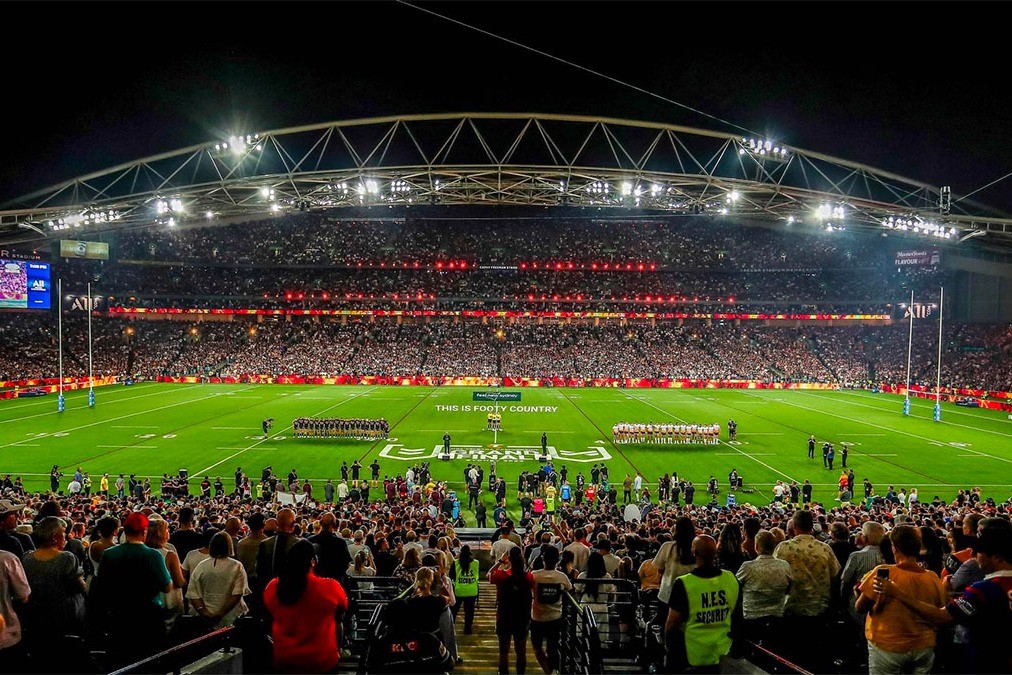
Rugby league should modernise without scrubbing away its character, and Brohman’s affection for Leichhardt Oval gets that balance right. It was probably his favourite place to play because of its intimacy, despite his having very little success there, and he supports new stands and sensible improvements while fiercely opposing the loss of the old-style ground.
He can appreciate CommBank Stadium and Allianz, where the facilities, commentary boxes and catering are excellent, while still remembering Lidcombe Oval’s hopeless change rooms and awful showers. Players expected poor facilities then and simply got on with it; today’s near-butler service is progress, but concrete comfort cannot manufacture atmosphere.
Brohman remains engaged with the modern game too. He believes tax-free money will be a powerful lure for players heading to the PNG Chiefs, although he personally would not pay every proposed salary, and thinks the Sharks are playing good football while Penrith have continued on and Canterbury have rediscovered their enjoyment. He reckons those three could remain prominent through to Grand Final day.
After more than 50 years playing, coaching and commentating, Brohman still sees rugby league clearly: improve what needs improving, preserve what gives it warmth, and never lose the fun.