The ladder is settled, but Brisbane and Parramatta are still losing the plot
This is what rugby league is supposed to feel like
Rugby league wins when it drops the polish and lets the people breathe.
The Gold Coast scenes around Wayne Bennett exceeded expectations in many ways, from Bennett appearing emotionally affected as he walked out to Jai Arrow laughing while the old coach pulled on his sock. It was unscripted. Human. Bennett now heads into his 100th game for the Rabbitohs against the Roosters with the game’s affection following him.
Jet Cleary’s debut delivered the same warmth. His family travelled to New Zealand, he produced four try assists and Nathan Cleary laughed from the stands when his younger brother was upended and sparked a minor fracas. Better still, Warriors supporters rocked the joint, as they have throughout two straight seasons of sold-out home games. Australian clubs should watch and learn. That is how supporters carry a team.
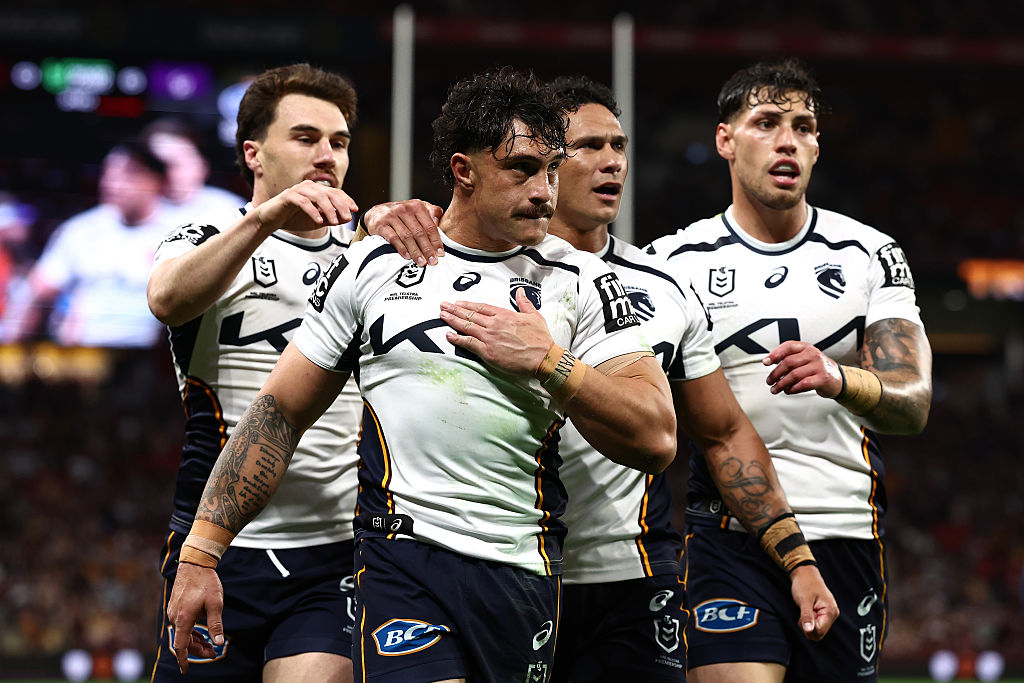
Brisbane are a powerhouse behaving like amateurs
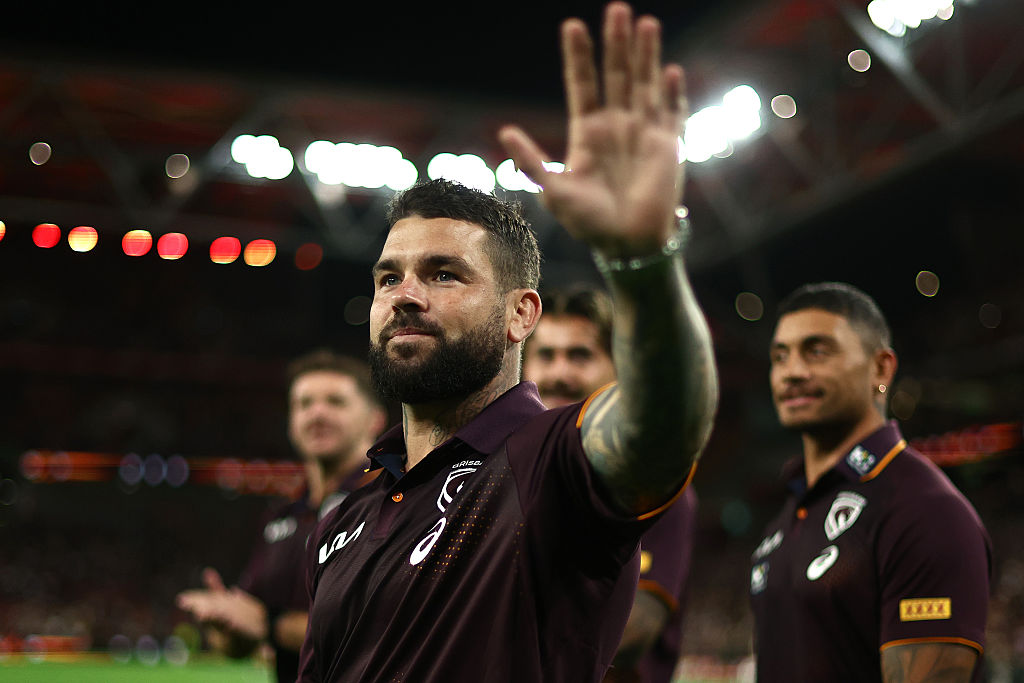
The Broncos got everything wrong with Adam Reynolds, and Dave Donaghy’s unscheduled attempt to clean up the mess was too little, too late.
I think Donaghy saw the reaction and finally understood how poorly the club handled it, but leaking positive details from an internal review merely exposed the panic. Then sponsorship advertisements appeared midway through Reynolds’ lap of honour. Another decision. Another miss. For a club described in reports as the NRL’s most valuable franchise, the standard is embarrassing.
The messaging was worse. Brisbane promised player consultation while insisting the final decision belongs to the coach. That is not leadership. It is a contradiction dressed as a sound bite, designed to quieten criticism without fixing anything.
Brisbane once knew what they stood for, even when they were wrong. Now they jump at shadows and make pressured decisions for public-relations relief. Stop chasing the outside noise. Fix the inside.
Saifiti must pay, but Newcastle deserve respect
Saifiti’s tackle was a clear send-off and a reckless act. The tackled player was unconscious before he hit the ground, so sympathy cannot overwhelm the duty to protect players.
The grade-two reckless charge means four games with an early plea or five if he contests it and loses. Newcastle have a maximum of four games remaining, making his season effectively over under the current grading. Their best course is to plead guilty while disputing the grade, seeking a downgrade that could leave the grand final open if they qualify.
The broader problem is modern tackling technique, which keeps lending itself to these collisions. Until that changes, the NRL needs to stay strong.
Newcastle, meanwhile, have been outstanding. They lost Saifiti early while leading, went to 12 men and stayed in the fight despite also losing Dylan Lucas and Dylan Brown. Holbrook has transformed their resilience. Previous Newcastle sides would have folded.
Parramatta are selling fantasy while wrecking their cap
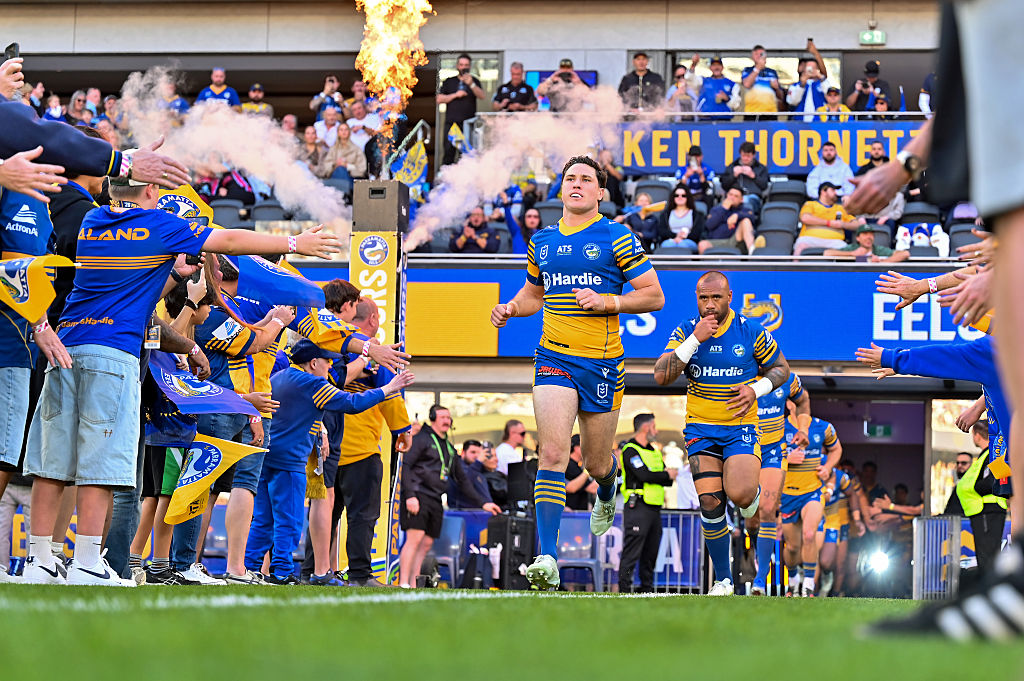
Parramatta are becoming the Brisbane of Sydney: lots of noise, lousy decisions and no clear grip on what they are building.
Christian Nicolucci reported that Jarome Luai, after failing to finish Saturday night’s game, flew to Port Moresby on the prime minister’s private jet for a golf day. That underlines the third-party concerns surrounding the money and political access available there. Luai’s new Pepsi role could also create a sponsorship conflict when he joins a Parramatta club sponsored by Coca-Cola-owned Powerade.
The football decision is just as awkward. Parramatta will pay Luai $700,000, yet Ronald Volkman was one of their better players and would cost a fraction of that amount. The Eels do not have enough cap space to keep him. Luai brings value, particularly if retained beyond one season, but losing a performing player because the cap has been mangled is self-inflicted damage.
Then came the fantasy hit list of representative-calibre targets. It is a con job on supporters. Recruitment requires priorities, cap analysis and realism — not a public shopping list designed to placate an angry fan base.
The Roosters are wounded and the Dolphins can smell it
The Roosters have come unstuck at precisely the wrong time. They led the competition two weeks ago, have now lost twice in succession and Sam Walker faces an operation for a syndesmosis injury, with a tentative recovery period of six to eight weeks.
Some believe he could return early for a grand final. I do not know whether he can make it, but he will try. Until then, Daly Cherry-Evans must own the team and Hugo Savala should play the complementary six role. Cherry-Evans and Walker never really gelled; one appeared to take command while the other retreated. At least the hierarchy is now brutally clear.
The Dolphins are suddenly dangerous because their defence finally held. I still do not think they can win the competition — they have conceded more than 60 in one game and another 50-point score — but holding the Roosters to 12 changes the temperature. Their attack was never the question. If that defence survives, they will frighten better teams.
Galvin is Canterbury’s answer; Hynes is Cronulla’s problem
Canterbury’s season was a failure, but Lachlan Galvin gives them something real to build around. The Bulldogs arrived with high expectations, started poorly and went backwards, yet Galvin has consistently been their best player across the past six to eight weeks while still learning the game. Strip away the surrounding noise and he will improve again.
Cronulla face the opposite truth. Nicho Hynes is not the controlling No.7 they signed him to be. He is a runner, and Braydon Trindall became the genuine organiser while Hynes operated more like a running five-eighth. I think Hynes’ best position is fullback, but Cronulla already have Kennedy there.
Without Trindall, Cronulla are impotent. Another week would help his dislocated shoulder, but desperation may drag him back. Either way, the Sharks can no longer pretend the structure works without him.
Tony Mundine’s greatest title was earned outside the ring
Tony Mundine should be remembered as much for the children he protected as the opponents he flattened.
He gave vulnerable kids at the Redfern gym somewhere safe to go, fed them care and made sure somebody was there when their parents sometimes had not been seen for days. That is a legacy beyond trophies.
Inside the ring, he won Australian titles from middleweight through heavyweight, a feat no Australian boxer had achieved before him or has matched since. He was not a big man, but he carried heavyweight power and the craft to avoid the punishment coming back.
Every fighter wants that combination. Tony Mundine had it. More importantly, he had the heart to use his standing for people who needed him.