The Tigers hid from the truth while Newcastle and Manly built for tomorrow
Manly must make the ruthless call on Brooks
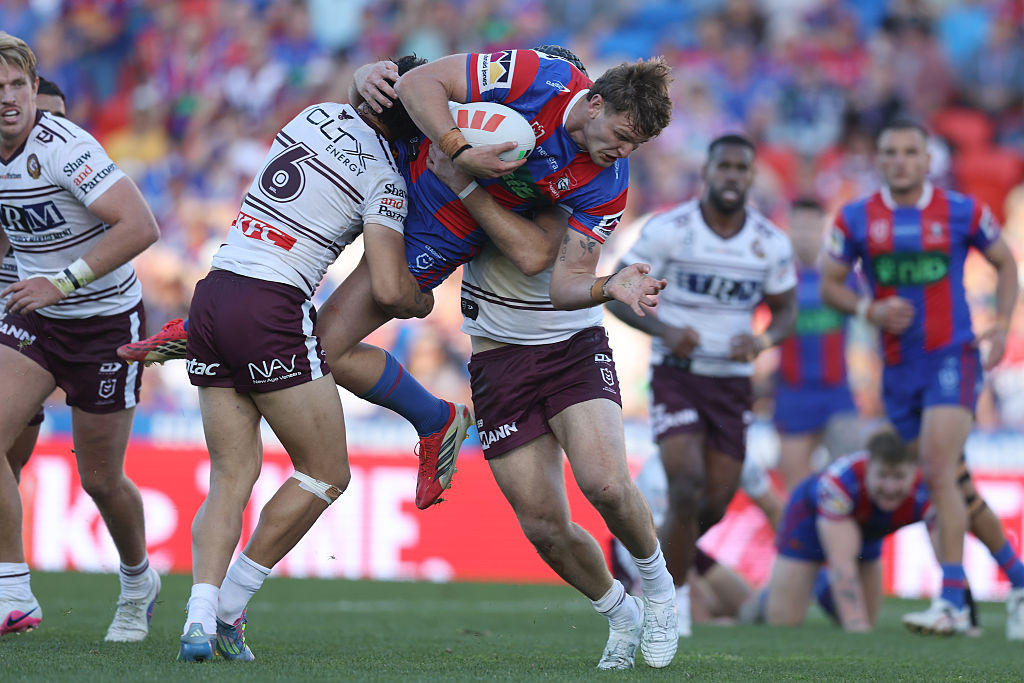
Manly should give Luke Brooks permission to leave if the right opportunity emerges, because succession planning only works when a club has the courage to upset somebody.
Brooks is off contract at the end of next season, turns 32 in December and is returning from an ACL reconstruction. He was doing a solid job before the injury and still has plenty to offer, but sentiment cannot be allowed to block Clayton Faulalo or Joey Walsh when Manly are finally looking beyond the next team sheet. Faulalo’s combination with Jamal Fogarty worked, he excelled at five-eighth and his natural position may well be there before he eventually moves to fullback.
Brooks sounds likely to hit the open market soon, while I think Manly have effectively told him there probably will not be a place beyond 2027. That is uncomfortable, but roster management is not afternoon tea.
Tom Starling would also be a smart addition. He is signed with the Raiders until the end of next year, although there apparently is an unofficial arrangement allowing him to explore opportunities, and I have consistently heard him linked with Manly. Brandon Wakeham can absorb the early punishment through his defence; Starling could then inject the speed and sharpness Manly lack from dummy half.
Foran’s plan needs the Penn family’s money
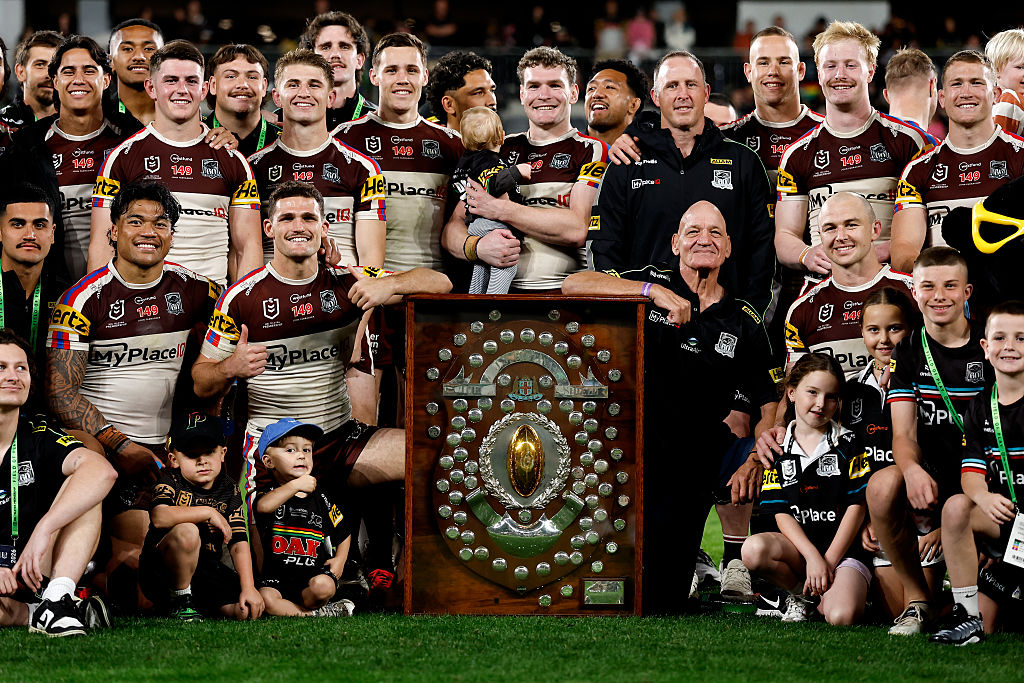
Kieran Foran appears to understand Manly’s deepest problem: the club has treated development as spare-part labour instead of building a genuine production line.
Anthony Watmough says Foran wants every Manly side training together, running the same structures and speaking the same defensive and attacking language. That is the Penrith model, not seven fancy shapes drawn on a whiteboard, but a small number of plays understood from the juniors to first grade. Manly’s previous disconnect with Blacktown Workers was enormous, with lower-grade players used to imitate opponents rather than improve their own games. Some believed they were becoming worse footballers. That is not development; it is hiring human tackle bags.
The Penn family must now invest properly in junior football and schooling pathways. Manly still have a rich nursery, but local children are pulled towards rugby schools and cannot play rugby league until finishing school, forcing the club to retrain them later. Newcastle’s Harold Matts title, SG Ball runners-up finish and New South Wales Cup preliminary-final appearance show what aligned investment can produce.
Foran has already improved players quickly, with Faulalo thriving in an unfamiliar position and Reuben Garrick lifting sharply. I think Foran has a substantial coaching future, but even the best blueprint remains a drawing unless the owners fund the bricks.
Newcastle’s rebuild is real, now comes the hard proof
Newcastle are the season’s great rebuild, and they will beat the Warriors if they remain brave enough to play around the heavyweight pack confronting them.
Peter O’Sullivan spent heavily on Dylan Brown’s 10-year, $13 million contract, a deal I initially thought was crazy, while Dom Young, Trey Mooney and Sandon Smith have all justified the recruitment strategy. Brown has been injured since round 21, yet the broader plan has still come up trumps because Newcastle have coupled senior recruitment with investment in elite juniors. They entered the season with virtually no external expectation after collecting the wooden spoon and have exceeded it spectacularly.
The Warriors hold the clear advantage through the middle, where James Fisher-Harris, Mitchell Barnett, Kurt Capewell and Erin Clark supply size and experience. Newcastle’s answer must be width, possession and patience: shift from tramline to tramline, kick long, turn the Warriors repeatedly and make their enormous edge defenders work.
Kalyn Ponga will be enormously motivated at Eden Park, while Dom Young, Greg Marzhew, Dane Gagai and Bradman Best give Newcastle a backline built for the occasion. The Warriors carry the expectation and scars of their qualifying-final defeat; Newcastle arrive on a magic carpet with momentum and nothing to protect. That freedom will be decisive.
The Roosters must find Trindall’s shoulder
The Roosters will eliminate Cronulla because they possess the star power and the obvious tactical target: Braydon Trindall’s busted shoulder.
Trindall is central to everything Cronulla do, but there is nowhere for an injured half to disappear unless the Sharks park him on a wing. Siua Wong and Rob Toyah will test him, and the Roosters should keep returning to that channel until Cronulla are forced to reshape their defence. The Cowboys missed that chance last weekend because they could not retain possession; Trindall made only three tackles in the opening half, which was an escape rather than evidence his shoulder could survive sustained traffic.
Cronulla won, and that deserves respect, but neither side in that match looked finals quality. The Sharks did enough while the Cowboys self-destructed, leaving Cronulla without compelling form or much assurance that their attack is coming together.
DCE was recruited to steer the Roosters towards a grand final, and this is precisely the sudden-death match in which that experience must count. Reece Robson against Blake Brayley will be a terrific hooker contest, while Lindsay Collins has the mobility, aerial skill and happy habit of appearing around the ball in major moments. The Roosters have more ways to win. Cronulla are relying too heavily on one damaged playmaker.
The Tigers’ cover-up was worse than the crisis
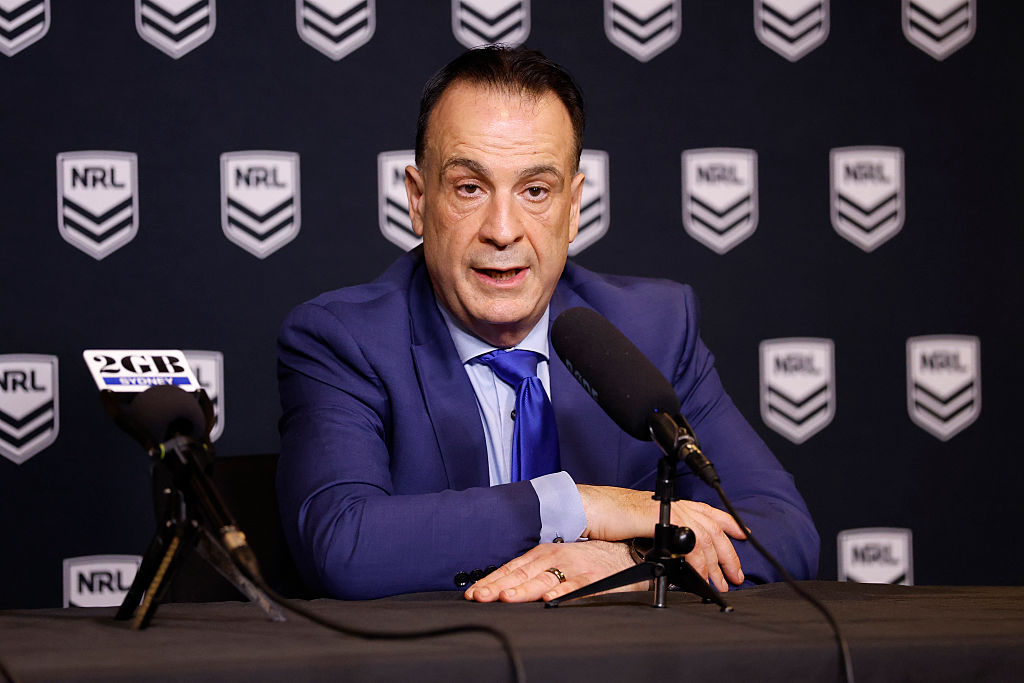
The Tigers’ greatest failure was not Jarome Luai missing the Kelly Barnes Medal while promoting the World Cup in Samoa; it was the club’s decision to blur the truth until nobody knew which version to believe.
Luai told the Tigers he would miss the awards, but his absence exposed how poisonous the separation had become. My mail is that the fracture began with his earlier Papua New Guinea trip: I’m told the Tigers were blindsided and Benji received only last-minute notice, while the club publicly insisted it knew about the trip and had blessed it. Both versions cannot stand. If the mail is right, the Tigers chose window dressing when blunt honesty would have contained the damage.
They had won five of their opening seven games then, so the instinct was to protect a promising season. Instead, they won only three of their final 17, finished 15th and ended with the competition’s second-worst defence, before advertising for a defence coach on LinkedIn, which is one way to make a crisis look like a suburban job search.
Luai also made the wrong call. Attending the presentation night would not have repaired everything, but it would have shown respect to teammates and stopped another round of headlines. Responding combatively on Instagram only deepened the damage.
Benji is still learning, the CEO is a rookie and Pat Richards only recently became general manager of football, but inexperience explains the mess without excusing it. Strong clubs call a spade a spade, shield young players from the circus and control what they can control. The Tigers did none of it. They created a vacuum, then seemed surprised when dysfunction rushed in.