Canterbury are finals-ready, but their defence must survive the run home
The Bulldogs’ season is now theirs to lose
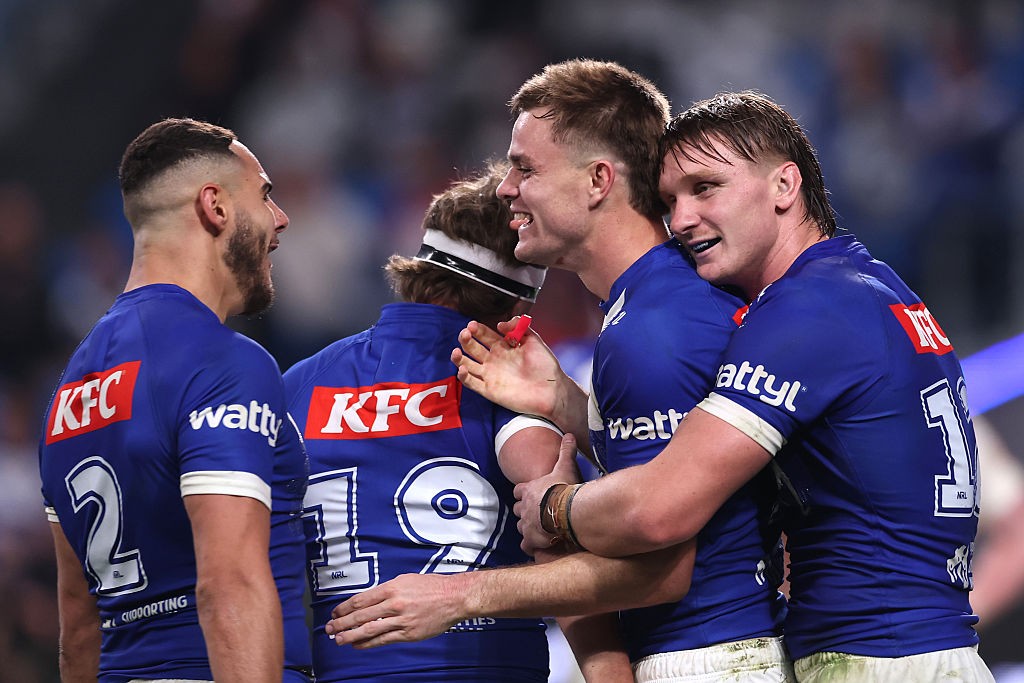
Canterbury are a genuine finals side because their best players no longer wait for somebody else to settle the contest. Billy Kick-Out, Stephen Crichton and Matt Burton made the right decisions while the game against Melbourne was in the balance, turning a difficult night against an immensely gutsy Storm side into a sixth win from seven starts and eighth position on the ladder.
The concern is obvious: Canterbury did not reproduce the defensive intensity of their previous game, and I think defence remains the only path to a deep September run. Their attack is developing, particularly since Kick-Out returned, while he and Jacob Preston might be the most damaging back-row combination in the competition.
The Stephen Crichton experiment at five-eighth is working, but the Roosters will test how long he takes to catch and release the ball. Burton has an awesome long kicking game and must be used when Canterbury are escaping trouble, leaving Crichton to provide the calm influence he has brought so far. The Bulldogs face the Roosters, Bunnies, Dragons, Penrith and Broncos without another bye. They can smell September. Now they must defend their way there.
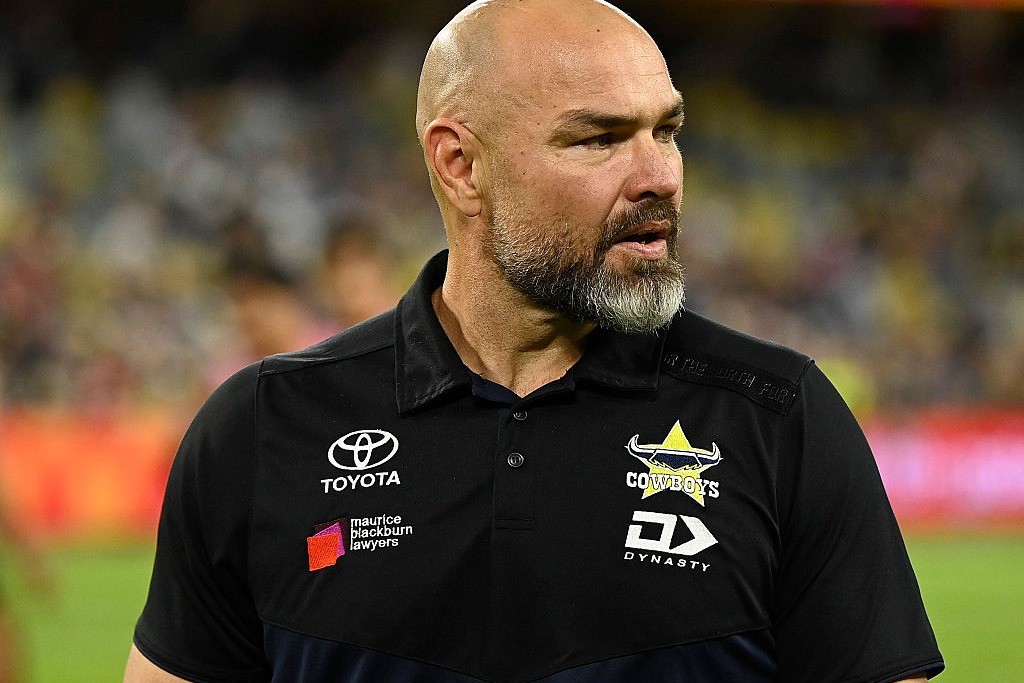
The Roosters were ruthless; the Cowboys were broken
An 82-12 defeat cannot be rinsed away with a few beers and a brave face. It scars a football team, particularly when it is the club’s biggest defeat in 90 years and the scoreboard has already reached 48-6 by halftime.
The Roosters deserve as much credit as North Queensland deserve criticism because they refused to coast after the break, applying the sort of ruthlessness that separates dangerous teams from decorative ones. Naufahu Whyte drives through the middle, their attacking strike is spread across the field and Daly Cherry-Evans and Walker have developed a dangerous understanding.
I reckon the Roosters remembered losing to the Cowboys at Magic Round, and that revenge sharpened their edge. North Queensland remain in contention after dropping from the eight, but their extremes are damning: they were outstanding against Penrith and very good against the Roosters earlier in the year, then produced this diabolical collapse. A finals team cannot carry that inside it.
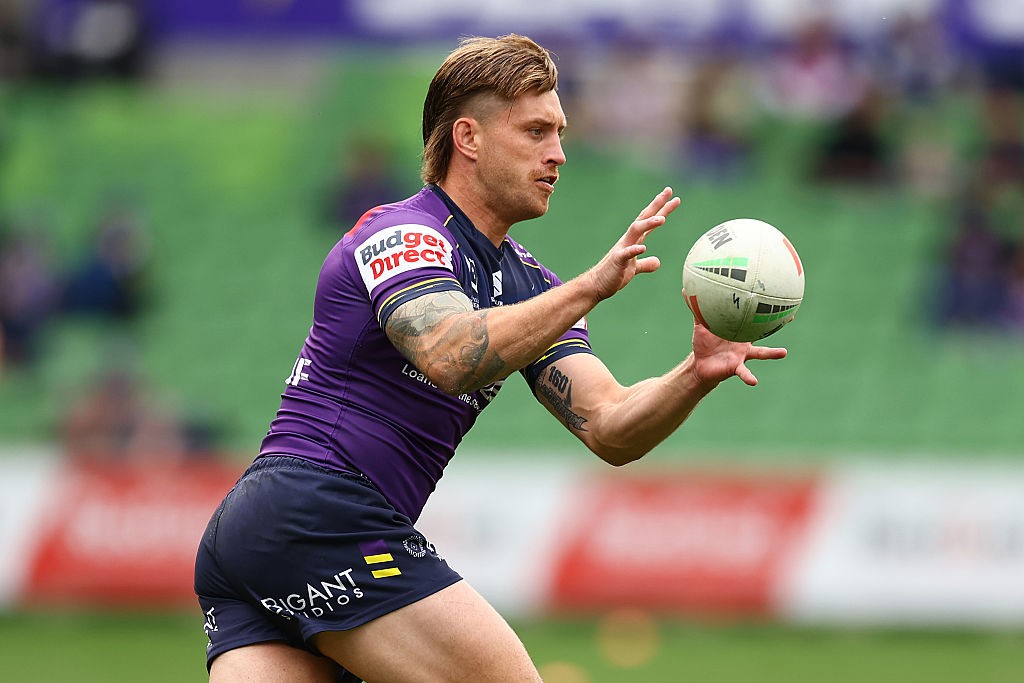
Melbourne’s empire needs renovating, not demolishing
Melbourne have entered their first genuine rebuild in years, but I’m not burying them. They missed September for the first time in 16 years, after taking $5 million worth of talent into the Canterbury game without Cameron Munster, Harry Grant or Jahrome Hughes, yet their young players still pushed the Bulldogs deep into the second half.
Hayden Watson was busy and impressive on debut, Oryn Keeley will enter the back-row rotation and Bronson Xerri is going there next year. Craig Bellamy remains the great recruiting magnet because players know the bargain: work brutally hard and emerge better.
The harder issue is defensive. The six-again rule has stripped away much of the wrestling that once allowed Melbourne to slow the ruck, form their line and give edge defenders time to decide. They are now being caught in sixes and sevens, and Bellamy knows the repair job starts without the ball.
I don’t think Bellamy is leaving, and Cameron Munster should stay too. Munster is making noises that his future could depend on Bellamy’s, but his relationship with Matt Tripp and the possibility of a long commercial or coaching future in Melbourne outweigh two tax-free years elsewhere.
PNG’s biggest opponent will be isolation
The Perth and PNG expansion projects cannot be judged merely by their signings because the human logistics will decide whether either football operation functions. Jack Cole has signed from Penrith for the Bears, while there is very strong word two more discussed players will end up in Perth, but PNG presents the more confronting test.
Some players will move their families to Port Moresby; I’m not sure every top-30 and development player will do the same. Buying a plane for travel has been discussed, yet FaceTime and charter arrangements do not erase weeks away from partners and children, particularly when players are living in a compound and cannot simply disappear for a normal afternoon.
That isolation could become PNG’s Achilles heel. Talent will get players onto the field; connection, homesickness and the ability to perform every week will determine whether the project succeeds.
Katoa makes the Dolphins a September threat
The Dolphins did not play beautifully against the Dragons, but finals football rewards teams that can win while clunky. The result left them four points clear in fifth position, and I think they can push towards the top four once their full complement returns because their pack is aggressive and they possess strike across the field.
Isaiya Katoa is the reason their ceiling is so high. He has the rare halfback’s gift of appearing to move slowly while everybody around him rushes, managing games with maturity rather than relying on the flashy moments expected from a young playmaker. He was playing chess while everyone else played checkers, and more experience will only sharpen him.
The Dragons showed resilience and their left-side attack opened the Dolphins up, but damaging errors still become points too easily. I think Dean Young is doing a good job, although the scar tissue cannot be stripped away overnight. Improvement is real; consistent competitiveness remains a long way off.
Cronulla are rising as the Warriors wobble
Cronulla look increasingly credible because their improvement starts in the least glamorous place: a hard, underrated forward pack that never switches off and scraps over every millimetre. That platform has freed Nicho Hynes, Braydon Trindall and William Kennedy, who is in a hot streak of form, although the Sharks must still prove they can reproduce it in the biggest games.
The Warriors have the opposite problem. I still believe they can win the competition, but their attack has become clunky over the past month and the wheels are beginning to wobble. Their pack can win matches, yet the halves need a circuit-breaker, and Luke Metcalf’s long kicking and game management offer the necessary refresh.
The finals logjam leaves no room for sentiment. The Bunnies sit on 26 points, Manly on 24, while the improving Titans are chasing a third straight win and can expose the Warriors’ current gaps. Reputation has stopped paying rent.
Penrith’s left edge will decide the Mudgee epic
Penrith remain the stronger side, but Canberra have enough running threat to turn Mudgee into one of the games of the round. The Raiders have regained their middle forwards and Ethan Strange, who gets powerfully off his left foot, is among the game’s most dangerous ball-runners, although Hudson Young is a massive loss.
The Panthers’ requirement is brutally simple: restore the grind and repair their left-side defence. Their dominance has always been built on making opponents suffer for every metre, not waiting for attacking brilliance to rescue loose defensive work. If that edge tightens, Penrith will win; if it does not, Canberra have the form and directness to make them pay.
At least the stage will match the contest. Mudgee is one of the finest venues I’ve visited, with a playing surface maintained like a golf course. This game deserves it.
Keep the six-again, kill the mid-season kickoff trial
The six-again rule has improved rugby league because it has largely eradicated the wrestle, opened the field and returned creative, off-the-cuff football to the game. I understand why retired champions dislike the repeated signals, but the current product is among the most entertaining versions we have seen, with record ratings and $5.3 billion telling their own story.
That does not give administrators permission to keep tinkering. The proposed kickoff rule — allowing the team that conceded to choose whether to receive or kick — was used in Super League and did not work. It was initially certain to happen after Wayne Bennett’s campaign, before substantial blowback forced Peter V’Landys to pause it.
Trialling it now in remaining matches without top-eight consequences is still wrong. A proper season cannot operate under one rule for one team and another elsewhere; use pre-season trials, gather evidence and make a clean decision. Tradition is not sacred merely because it dates to 1908, but neither should it be rewritten halfway through the competition because somebody found a spare lever.