Enforce the rules or admit the clubs are running rugby league
The Warriors exposed weak refereeing
The Warriors did nothing wrong by testing the officials. Their job is to win. The disgrace is that Jack Bostock was run off the ball three times without a penalty, the NRL later conceded the calls were wrong, and only now has it vowed to crack down.
That is administration by apology. The Warriors knew referees would be reluctant to hammer anyone during the first week of the finals because the spectacle had to be protected, so they dared them to act. The officials blinked. Bostock still ripped the ball away and scored, then nearly scored again, but that does not excuse the failures.
I think fans have been conditioned to erupt whenever the penalty count gets too high, which gives clubs exactly the leverage they want. Coaches know the referee will eventually pocket the whistle, whether an entire defensive line is offside or kick chasers are being blocked.
There should be as many penalties as the game warrants. No quota. No mood music. No management. Bill Harrigan could warn players and control a contest, but every referee who copied the method handed cynical coaches another opening. Enforce the rules until the players comply. Anything else is surrender.
The Cleary grading made a simple game look stupid
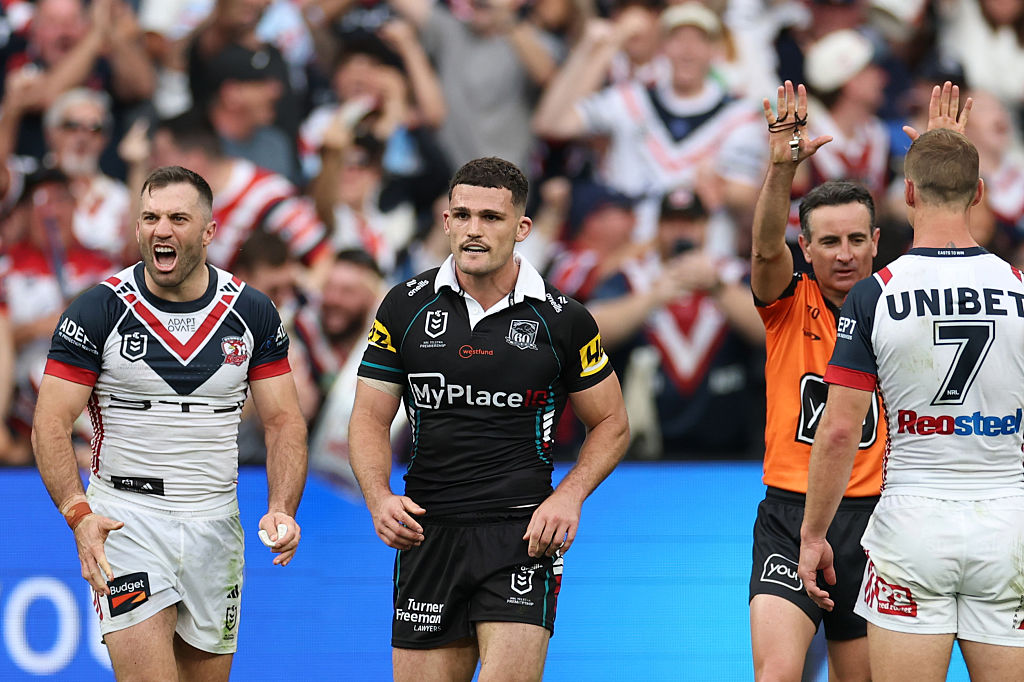
Nathan Cleary’s tackle looked like a grade two charge. He charged out of the line, the referee called it dangerous and force was involved, yet it finished as grade one and Cleary can play the preliminary final.
Andrew Johns was right about the broader mess: terms such as high injury risk, moderate force and excessive force have turned a basic judgement into legal soup. Grade one, grade two and grade three now blur together, while old precedents are dragged into new cases until nobody knows where the line sits.
The identity of the player cannot change the offence.
Rugby league used to be simple enough that a newcomer could understand about 90 per cent of it after five minutes. Now the bunker debates degrees of force while everybody waits. A high shot should be treated as a high shot. Send players off when the offence warrants it and force them to lower the target zone. Stop blaming referees for ruining contests that reckless players endangered first.
Buy Super League, but don’t strip it for parts
The NRL’s move into Super League is bold and necessary, but it becomes a disgrace if England is reduced to a convenient talent warehouse for Australian clubs.
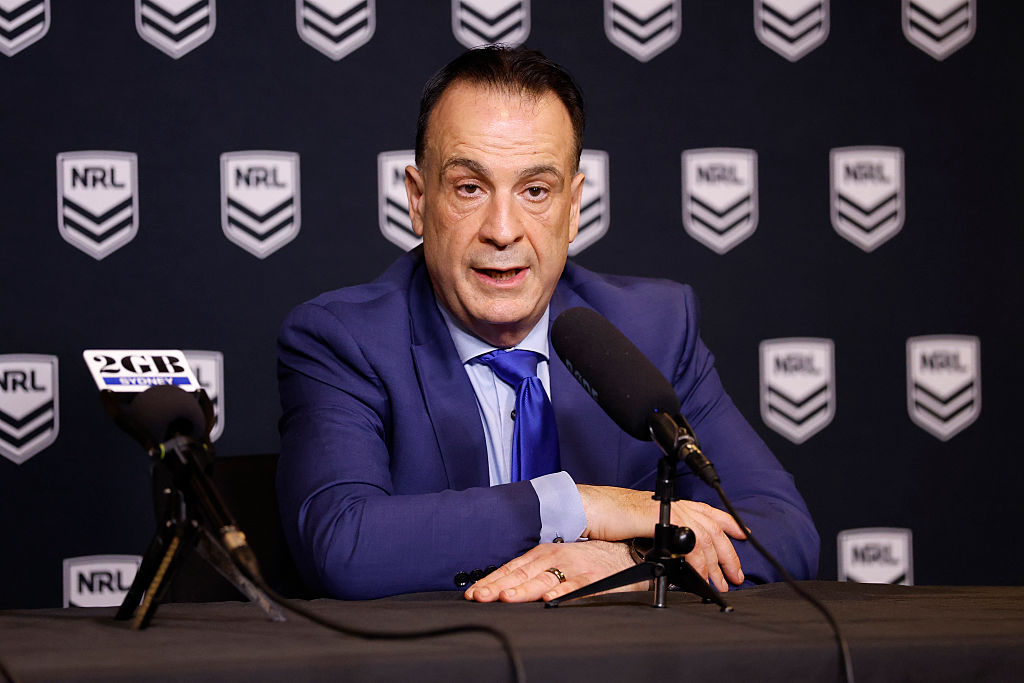
The deal is basically done, with 12 of the 14 clubs agreeing and the inclusion of the London Broncos forming one proviso. At $57 million for 50 per cent of a competition losing money, it looks cheap, although London remains the gamble: Darren Lockyer is now a shareholder, but repeated attempts to establish the club have failed in a market dominated by soccer and rugby clubs.
The NRL should chase the revenue and use its television expertise to make Super League valuable and watchable. It is a struggling game in a brutal market and needs intervention.
But alignment between clubs carries a danger. I think Australian clubs will send controlled players to England for development and retain the right to bring them back. Worse, an NRL club losing a halfback could bypass its juniors and pull a replacement from Wakefield. That would help the NRL and could devastate Super League. Saving a competition does not mean turning it into a nursery.
Cherry-Evans must own the moment
This is Daly Cherry-Evans’ game. It probably does not define a long and successful career, but it can gold-stamp it, or become the finals failure everybody politely avoids mentioning.
The Roosters recruited him to deliver a premiership, using the model that brought Cooper Cronk to the club and produced two titles. Without Sam Walker, this side is clearly under Cherry-Evans’ control. If the Roosters lose to Cronulla, they disappear in straight sets, so he must run the team and deliver the dominant performance he was signed to produce.
The contest itself is brutally difficult to read. The Roosters own the competition’s second-best defence and measured up without winning against Penrith, while Cronulla are dangerous but heavily dependent on Braydon Trindall. Angus Crichton could not return at a better time for the Roosters or a worse time for Trindall, because Craig Fitzgibbon can shift his halfback around the defensive line but the Roosters are good at finding their target.
I expect both teams to clamp down defensively. If one side blinks, the score could break open quickly. Cherry-Evans cannot blink.
Newcastle can wreck the Warriors’ party
The Warriors have earned favouritism through performance, but Newcastle can beat them because the home side’s attack spluttered when the pressure peaked.
The Warriors’ halves failed to fire last weekend and struggled to penetrate in their biggest game of the season so far. That was a bitter disappointment after Andrew Webster had managed changing combinations and injuries so well, although Leka Halasima’s return strengthens them and Webster looks capable of fixing the problem.
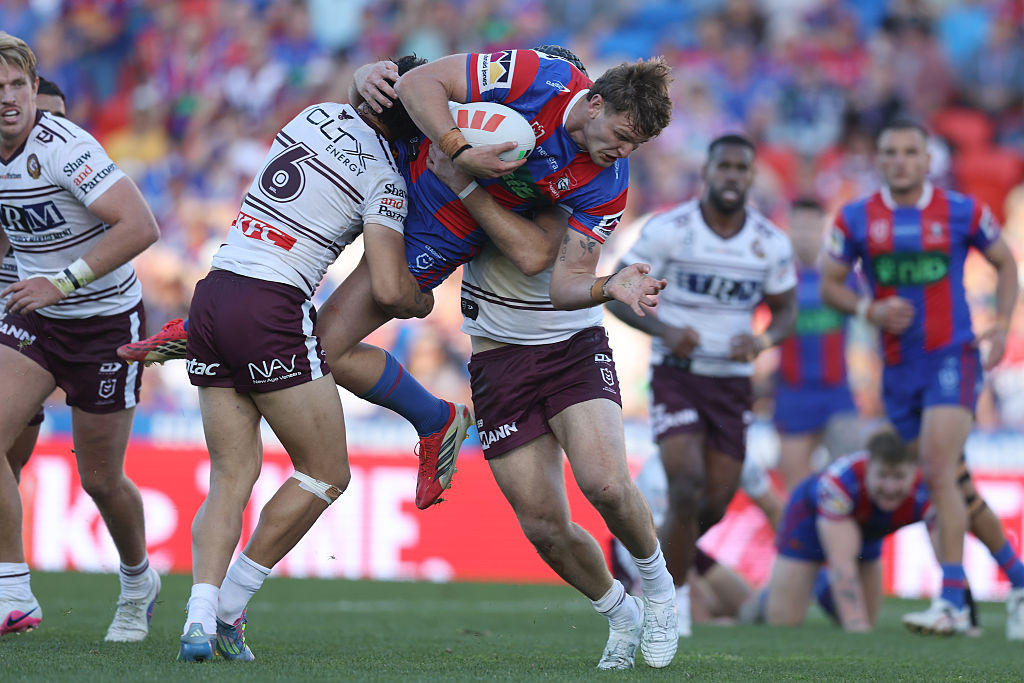
Newcastle’s edge forwards have emerged from nowhere as wrecking balls, with Manu Leiua among the threats capable of causing real trouble. Dylan Lucas has been named, but I do not think he will play only eight weeks after a broken and dislocated leg. His foot was at an angle and the bone could be seen through the sock; Aidan Guerra returned from a similar injury in 10 weeks, reportedly the fastest recovery of its kind, so a grand-final return looks more realistic for Lucas.
Whatever happens, the Warriors are winning off the field. Eden Park sold out in 11 minutes without half-priced tickets, and Cameron George is doing a magnificent job as the club strategically, admirably and joyfully takes over New Zealand. Now the football side must survive the party.