Scrap the Grand Final Circus and Let Rugby League Sell Itself
The NRL dodged a million-dollar bullet
Thank God Tones and I is not playing the grand final. I listened for the first time that morning and reached the only conclusion available: it would have tanked.
I think pre-match entertainment is wildly overcooked, a poor imitation of the Super Bowl and another excuse for the NRL and AFL to conduct their annual flexing contest. The difference is brutal. Super Bowl performers can accept worldwide exposure as payment, while the NRL goes cap in hand and gets charged a fortune for performances that usually leave everybody asking whether that was it.
If Tones and I was going to receive somewhere around $1 million, that is extraordinary. Performers were getting about $40,000 not so long ago, before the arms race drove the numbers mad.
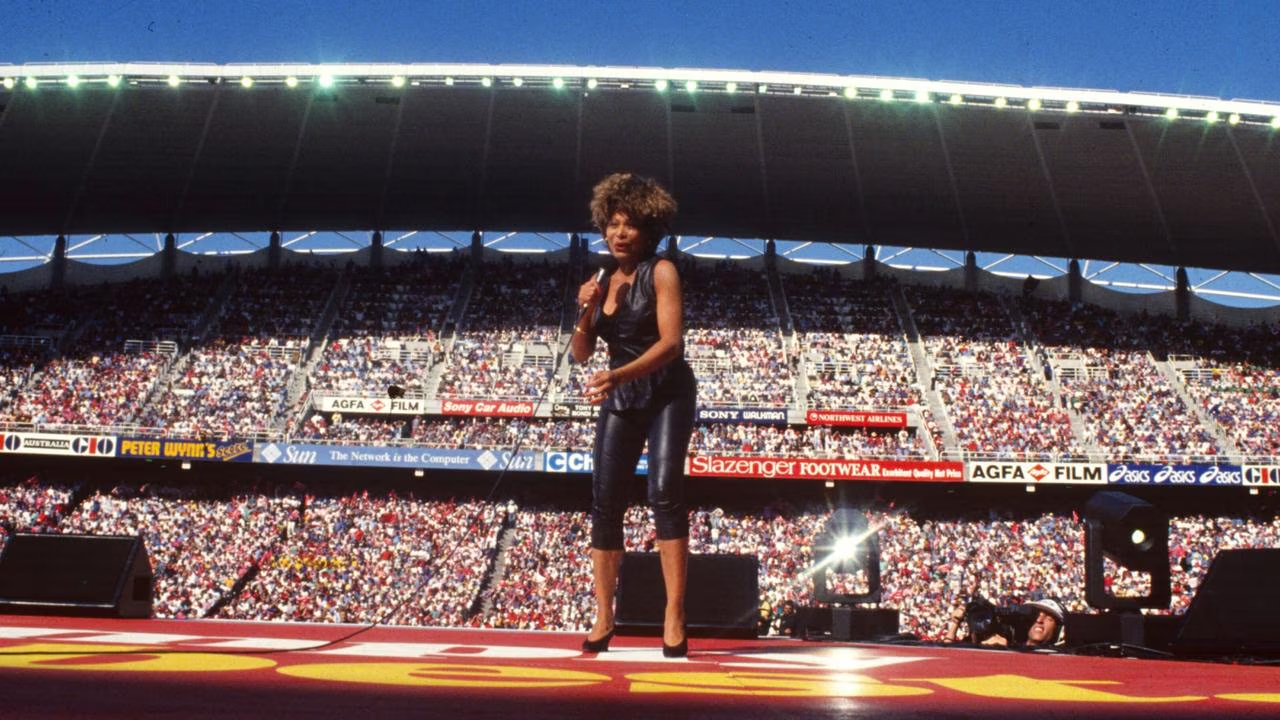
I have attended grand finals since 1986 and mostly remember the disasters: Billy Idol circling in a hovercraft after the power disappeared, Jason Donovan carrying on as though the crowd had come for him, and Good Charlotte replacing hard guitars with an acoustic set at one end of the ground. Cold Chisel delivered. Teddy Swims was great last year. Tina Turner rocked it, although I think that was 1993 and even then the crowd was being directed to wave flags for the following year’s advertisement.
Peter V'Landys can turn this weakness into a strength. Schedule the day properly, let Channel Nine cover it intelligently and make the football the event. People bought grand final tickets for rugby league, not an overpriced karaoke break.
Klein was wrong and still punished too harshly
Ashley Klein got the final decision wrong, but the hysterical claim that he cost the Warriors the game is rubbish. He cost them an opportunity to reach extra time at 12-all. Nothing more. The Knights were playing better, and I think they still would have entered extra time as the stronger side.
Klein also controlled a flowing game that was far better to watch than Adam Gee’s whistle marathon, where constant six-again calls helped possession and momentum become badly distorted. That matters because repeated possession saves one team energy while draining the other, creating greater scope for a blowout.
I am no Klein disciple and did not think he should referee Origin, but I think he was treated very harshly.
Fans might enjoy that accountability today. The danger arrives tomorrow. If another leading referee produces one bad decision this week, does the NRL keep swinging the axe until somebody previously third in line controls the grand final? That is not accountability. That becomes panic.
Modern recovery is smashing old limits
The recovery times now being produced are extraordinary, but courage cannot be confused with readiness. Nathan Cleary has progressed from a moon boot to limited team training, although the precise nature of his injury remains unknown and he placed little load through the foot.
Sam Walker suffered a syndesmosis injury in round 26 that would ordinarily have ended his season, yet he returned for the preliminary final. Dylan Lucas played six weeks after a fractured and dislocated ankle which, according to what we know, had never previously been overcome in fewer than eight. Isaah Yeo is playing despite a complete pectoral rupture, after the initial lack of detail created the impression it was only partial.
These players are tough. No argument. But the real test is not whether they can run onto the field; it is whether they can survive the match and perform properly. The Roosters desperately need Walker’s spontaneity, which makes honest medical judgement even more important. Heroics are worthless if the body gives way after 15 minutes.
Finals emotion is fuel, not weakness
Coaches who call a grand final week business as usual are kidding themselves. It is not usual, and pretending otherwise only makes every interruption feel bigger.
Parramatta learnt that in 2001 when they tried to block out the noise and merely amplified it. Newcastle embraced the occasion, enjoyed the week and won. Penrith followed the same path in 2003 after emerging from near the bottom, while the Wests Tigers contacted Penrith for advice when they unexpectedly reached the 2005 decider. The message was simple: embrace it, relax and enjoy it. They did, then won.
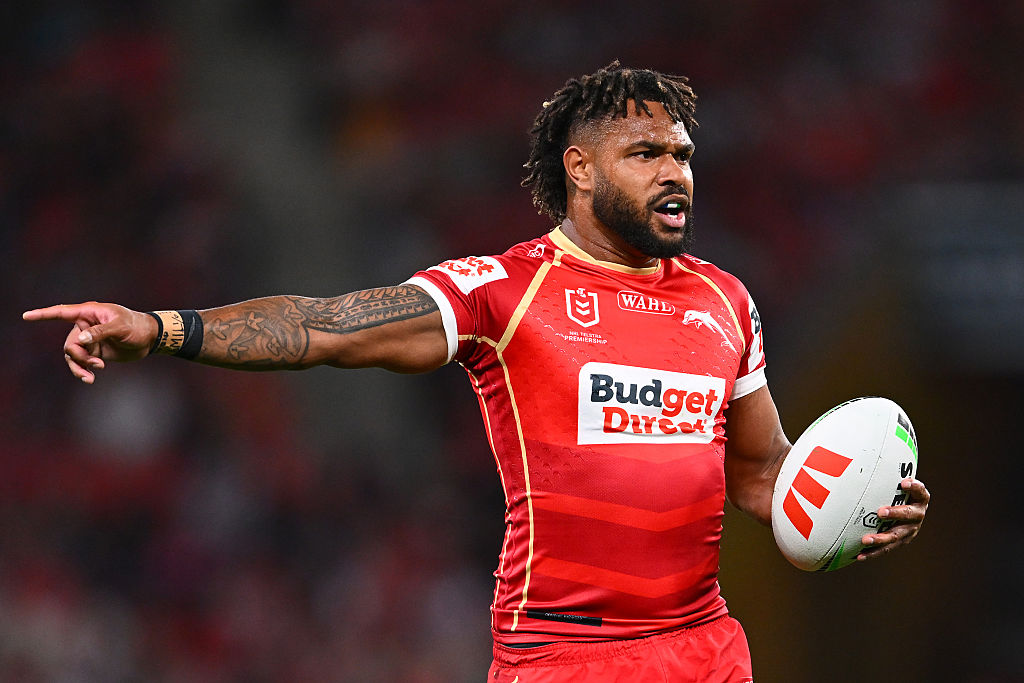
That is why I love what Newcastle are doing now, and to a lesser extent the Dolphins. Justin Holbrook has openly addressed how much the Knights are enjoying the occasion instead of hiding behind the dead language of professionalism.
Some players go through entire careers without reaching a grand final. Let the emotion in. It gives players energy, releases pressure and reminds them why the week matters. The experienced teams know the routine. The newcomers must own the chaos rather than fear it.
Cherry-Evans has one enormous chapter left
Daly Cherry-Evans is gearing up for a big game, and the history gives it genuine edge. He played for the Redcliffe Dolphins as a child, his father is a club stalwart and his grandfather also played there. Redcliffe had no NRL side when Cherry-Evans entered the competition, so his career took him to Manly instead.
The Dolphins later tried to bring him home and nearly succeeded. Now this could be his final NRL game, against the club where his journey began and almost finished. That is not manufactured theatre. It is rugby league history folding back on itself.
The football matches the story. Cherry-Evans and Sam Walker face Isaiya Katoa and Nick Orama in the halves, with contests across the middle and out wide. Katoa is a budding superstar, if he is not already there, while Nick Orama has produced first-class football all year, complementing Katoa with timing, selection and attacking threat.
The Dolphins would surely keep Nick Orama if they could, but I think they were locked into the George Williams deal and could not escape it. Recruitment demands three-year planning. Sometimes the player in front of you improves faster than the plan.
Smart clubs attack vacancies; ruthless clubs create them
Melbourne are rebuilding before decline forces them to. The Warriors have confirmed Adam Pompey’s release without announcing his destination, but I think his move to the Storm is done. Melbourne are losing Nick Meaney, Will Warbrick is going to the Warriors and Tyran Wishart is joining the Bears, so sitting still was never an option.
Pompey has done a good job and, after roughly seven NRL seasons, I think his game has developed sharply across the past couple. Receiving cleaner ball at Melbourne should suit him.
The Bulldogs have been equally direct. Jesse McLean has left Penrith because he needed an opportunity, and vacancies in the outside backs give him one. He is not as good as his brother, but he is still handy and this is a good signing.
Then comes the ugly side. Jason Taylor has moved on after working as the Bulldogs’ attack coach last year and later coaching in the NSW Cup. I do not know the reason, but by the sound of it his conversation with Phil Gould was brutally short: Josh Jackson would take the State Cup job and there was nothing else available.
That is rugby league. Clubs preach family until the board changes. Then a man walks in seeking clarity and walks out seeking employment.