Stop blaming Klein: Newcastle earned it and the Warriors lost their nerve
Klein got one wrong, and still refereed a classic
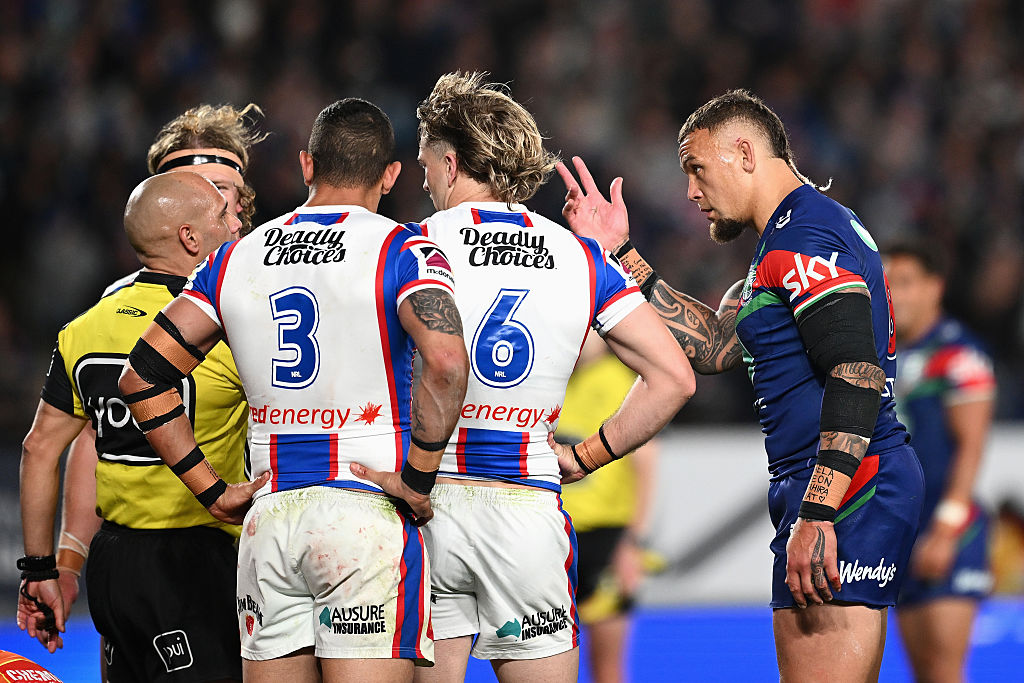
Ashley Klein probably got the Tyson Frizell incident wrong. Under normal circumstances, Frizell should have been penalised, the Warriors would have kicked a straightforward goal and the match would almost certainly have gone to extra time.
But context matters. Both teams had pushed the same blocking and escorting tactics all game, Klein had consistently called play on and Leka Halasima may have deliberately run at Frizell hoping to milk the penalty. Players are coached to hunt every advantage, and Klein might have decided Halasima removed himself from the contest rather than genuinely chasing the ball.
The Knights got away with one. That does not make the entire performance a robbery. Klein controlled an Origin-like contest with only eight penalties and two six-agains, and although both clubs could identify mistakes, neither was favoured. He allowed the game to breathe.
The bunker could not intervene because Joe Sharp caught the ball and play continued, while the Warriors had already burned their captain’s challenge on the Bradman Best knock-on sequence. That was their gamble. Klein’s overall performance was a masterclass, and a repeat should put him in the grand final.
Holbrook produced the coaching performance of the year
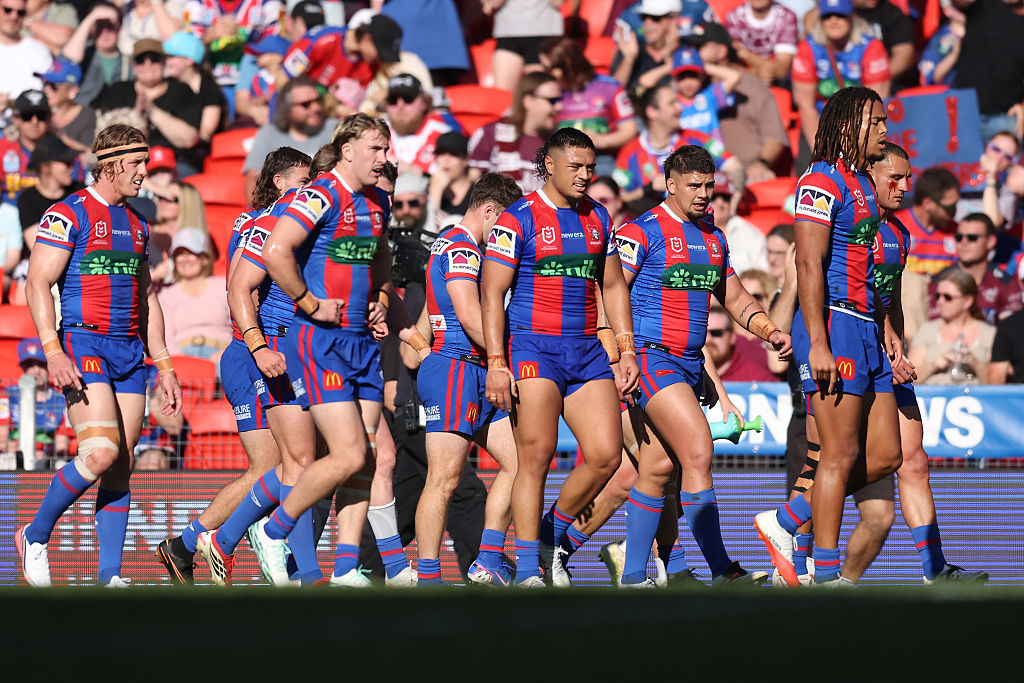
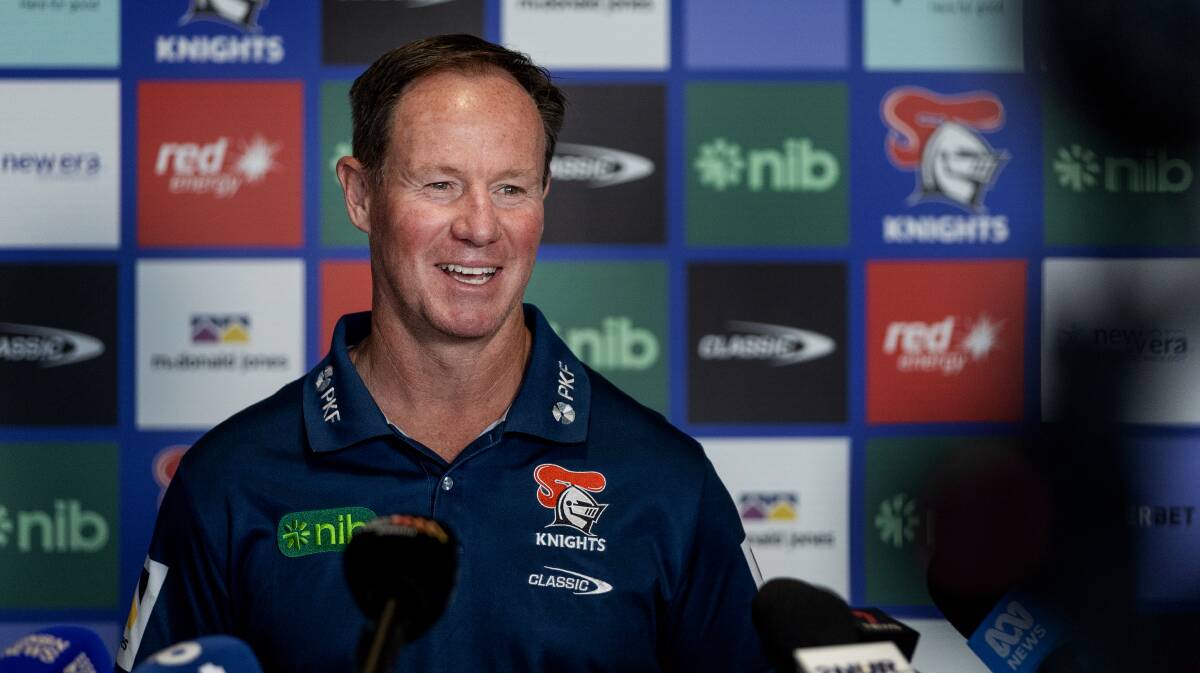
Justin Holbrook is the coach of the year. No debate. Newcastle ran last last year, reached this final without Trey Mooney and Dylan Brown, and entered it skinny through the middle after losing Mooney to injury and Jacob Saifiti to suspension.
Holbrook did not complain. He attacked the Warriors’ shape. Newcastle moved the ball from edge to edge, dragging the Warriors’ big middle forwards around until fatigue opened the contest, then kept turning up defensively when the Warriors owned the field position late.
That style demands superior fitness, and Newcastle looked fresher because they have built their football around relentless movement. Against South Sydney, Holbrook’s message was that the Knights were fitter and would finish over the top; I have no doubt the same conviction drove them against the Warriors.
Kalyn Ponga once had one foot out the door because Newcastle did not look capable of winning a premiership. Now the town and team are feeding energy into each other, 13 years after the club last travelled this deep into a finals series. Holbrook built that belief. He deserves the credit instead of an interrogation about one whistle.
The Warriors were found out when September tightened
The Warriors did not lose because of one escort call. They lost because their attack collapsed when prepared opponents forced them away from their comfort zone.
They averaged more than 29 points during the season, yet managed only three tries across two finals. Their halves did not take control, the attack lost direction and Mitch Barnett twice killed tackle-five opportunities by forcing cute short-side plays instead of kicking to an edge or chasing a repeat set.
The Warriors deserve praise for adapting around their halves all season, but finals expose every weakness. Newcastle shifted the point of attack, avoided the Warriors’ middle strength and made their vulnerable edges work. The Warriors could not solve it.
That is the brutal September verdict. A side can survive structural problems during the season through effort and momentum, but once opponents build a specific plan and refuse to blink, improvisation stops being charming. It becomes panic.
Tension beats manufactured try-fests
The NRL has confused scoring with entertainment. It keeps chasing more tries as though supporters are children who need another sugar hit every three minutes, when the real drug is tension.
Warriors-Knights had four tries, two six-agains and barely a moment when anybody could relax. Every half-break mattered because one defensive error could decide the season. That is compelling football. In a 42-38 shootout, another conceded try becomes background noise.
There were 8,500 Warriors supporters and 1,000 Knights supporters inside an Origin-like atmosphere, hanging on every collision and every decision. Nobody needed artificial assistance from the rules. Two teams attacked, defended and fought until the result became unbearable to watch.
Give me that contest every week. Rugby league does not need cheap points. It needs jeopardy.
Gamesmanship is no excuse for crowd stupidity
Throwing beer cans and other rubbish at an official is not passion. It is stupidity. I don’t care how angry Warriors fans were. Once you launch a projectile, you surrender the right to call yourself hard done by. You’re just a mug in the crowd.
A packed stadium can become an echo chamber. Every decision feeds the fury. Everyone around you confirms the conspiracy. So what? Adults control themselves. They don’t turn officials into targets because the result hurts.
Gamesmanship is part of rugby league. Players chase every edge. The NRL warned teams about escorts and stationary walls, so coaches immediately searched for the loophole. Chasers run into blockers. They fall over. They hunt a penalty. Nobody involved is innocent and nobody should pretend otherwise.
That is the contest. Players bend rules and officials make judgments in real time. The crowd still has one simple job: keep the cans in their hands. Failure to do that is not frustration. It is disgraceful.
Robinson coached Cronulla out of the finals
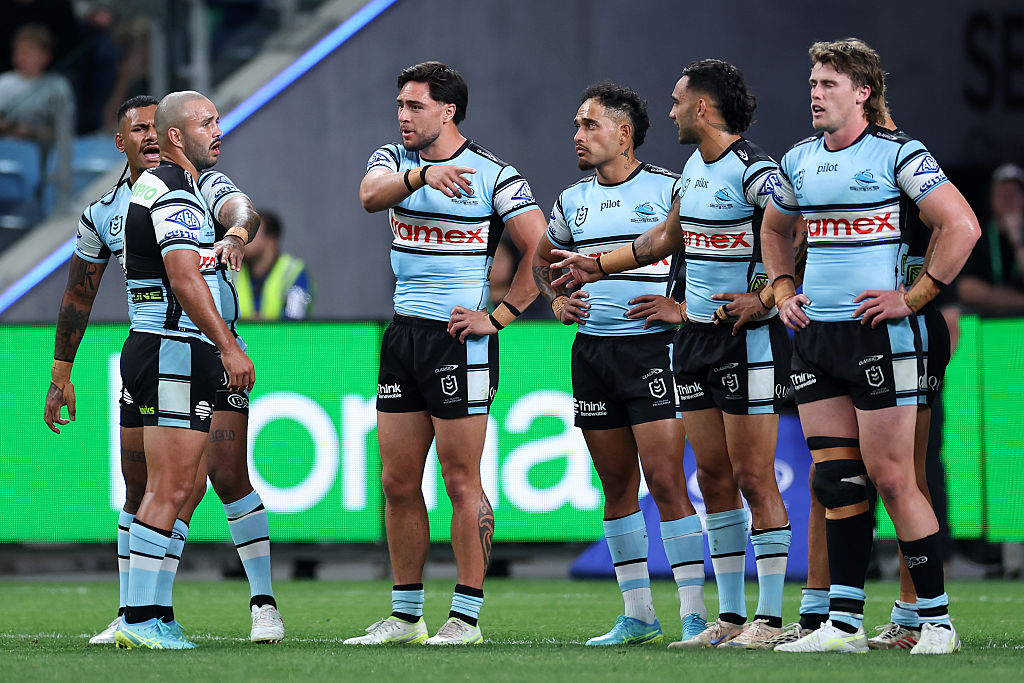
Trent Robinson dismantled Cronulla with brains before the Roosters finished them with patience. Nicho Hynes leaving for an HIA hurt badly, while Braydon Trindall’s damaged shoulder erased the running threat from the other half, but the Roosters still had to recognise the weakness and attack it.
Instead of charging Trindall recklessly, their defence held off, slid towards his support and forced the receiver to confront two defenders. Trindall protected his shoulder and stopped taking the line on, so Cronulla played directly into the trap without Hynes available to relieve the pressure or change the shape.
Cronulla were brave. Bravery was never going to be enough. Their opportunities came through the middle, including tries to Ronaldo Mulitalo and Jesse Colquhoun, because the Roosters shut down their strike everywhere else.
Robinson began preparing this response before reaching his press conference after the Penrith game. I reckon an enormous amount of coaching followed during the week, and it showed. The Roosters read the contest, stayed patient and defended like a serious premiership team again.
The Roosters’ turnaround complaint is noise
The Roosters should stop complaining about two six-day turnarounds. Finals football begins on the Monday after the regular season, and every contender then has the same 34 days to win four games unless it earns a week off.
The Dolphins earned their 14-day break. That is the reward for their result, not a conspiracy against anybody else. More importantly, if the Roosters win after six days this week, they receive nine days before the grand final while their prospective opponent gets seven.
Rest sacrificed now is recovered later. The calendar cannot give everybody the longest break every week, and a club cannot demand sympathy for six days while ignoring the advantage waiting on the other side.
DCE was luckier. His foot clearly went out before his hand, which made it a trip and should have meant a sin-bin. The fine without suspension was still a fair outcome because modern tripping is not the old send-off offence. He should have sat for ten. He should also play this weekend.
Nawaqanitawase is the player rugby league cannot replace
Mark Nawaqanitawase is the rare rugby-bound player rugby league cannot casually wave goodbye. Most departures create another opportunity. This one removes something the game does not otherwise possess.
His behind-the-back flick to Robert Toia was not blind luck. He allowed the defence to carry him towards touch, then released a pass so deceptive that three Cronulla players followed him over the sideline. He sees the field like a basketballer, using over-the-head, two-handed and improvised passes instead of being trapped by the classical rugby league technique.
I have not seen that flair in another outside back. I think he is the first of his kind, a generational player with 360-degree vision and the nerve to use it.
Losing him hurts. Rugby league should hope he comes back.