Terry Kennedy Never Hit Snooze and Built a Life Around the People Who Did
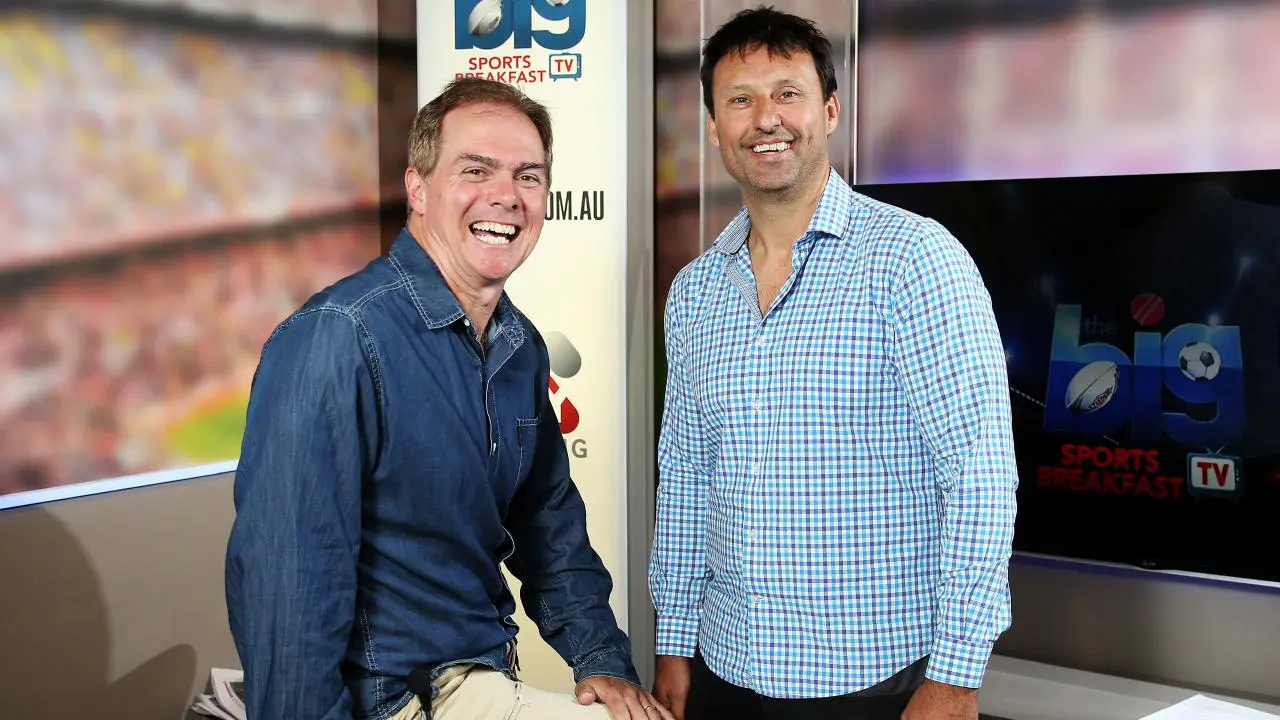
Nineteen years begins with one alarm
Kennedy’s 19 years on breakfast radio were an extraordinary feat of discipline, especially because he remained a contractor rather than enjoying the comfort of a permanent job. His first deal was for two years, there were probably seven or eight contracts under different owners, and a stint he was simply delighted to begin stretched towards two decades.
The part I admire most is not the longevity but the reliability behind it. Kennedy initially set his alarm for 3.45am, never let it drift much beyond four, never pressed snooze and says he did not miss a shift or take a sick day. Even in Hong Kong, where the time difference meant starting at 2.30am, he thinks he missed the opening only once.
The ending came quickly because Kennedy felt both he and the station needed a change. Media can make a long servant disappear overnight, but those mornings still belong to him.
The little punter always came first
Kennedy connected because he never talked down to the people listening. He reckons he is probably more comfortable with rank-and-file punters than chief executives, and that instinct gave the program warmth, mischief and a readiness to let strange voices breathe.
Nobody embodied that better than The Narc, the caller from Narellan who hated virtually everything and was so outrageous that listeners assumed he was a paid actor. He was not. Management barred him several times, Kennedy fought to bring him back, and whenever The Narc appeared the phone lines lit up with enough material to carry the morning.
That was smart broadcasting. Talkback callers come in every shape, but polishing away their rough edges kills the very thing people recognise. Kennedy came from journalism and believed radio had to inform as well as entertain; lasting 19 years suggests he got that balance right.
The station wagon made the storyteller
Kennedy’s real education began in the back of a station wagon, not a newsroom. Five children travelled virtually every night to greyhound meetings from Dapto and Bulli to Gosford, Newcastle and freezing Lithgow, following their father, Frank Kennedy, around a sporting world populated by battlers and big characters.
A winner at Bulli meant milkshakes and ice creams at the top of the pass; losing, which Kennedy remembers as the normal result, meant going home hungry. Frank called greyhounds, appeared on Sports Action with Rex Mossop, worked in newspapers, promoted fights and was known as the champion of the little punter.
Then came the wound beneath all those colourful memories: Kennedy was only 13 when his father died. Until then he had been Frank’s shadow, trailing him to meetings and Channel 7 at Mobbs Lane, watching storytelling happen at close range. I reckon Kennedy inherited more than a profession; he inherited his father’s loyalty to people without power.
The bloopers were the apprenticeship
Kennedy’s early television mistakes did not expose a fraud; they built a broadcaster. While still at school he worked weekends in the Channel 10 newsroom, ringing grounds, gathering results and shot-listing sport, then won a cadetship after telling his boss he had made the top 10 per cent in HSC English — a claim Kennedy does not think was ever checked.
At about 20 he took a bigger job in Brisbane and was reading weekend sport by 21, although he freely admits he was inexperienced and prone to panic. On his first night, the unreliable autocue ate his script and a studio phone rang without anybody having told him he might need to answer it. There were mangled names and plenty more bloopers, but Kennedy kept learning.
That humility matters. Too many people rewrite their beginnings as destiny; Kennedy remembers the sweat, the fear and the Saturday-night recovery session after a horrendous debut.
Brisbane brought sport within touching distance
Brisbane gave Kennedy something Sydney could not: one sporting town small enough for relationships to become real. He arrived knowing virtually nobody beyond Michael Delaney, yet soon found himself covering rugby league from the sideline and watching Wally Lewis closely enough to conclude that he was probably even better than people said.
When Brisbane entered the competition, the city had one team, superstar players, financial backing and a massive supporter base. The media dealt with the same players constantly, so weekdays off became lunches, golf games and trips to Ipswich with Alfie Langer, who Kennedy suspected mostly wanted company rather than possessing any special information.
There was silliness too. Kennedy’s brief appearance on Celebrity It’s a Knockout placed him at the back of a horse costume, with Cal Bruton in front, slipping across detergent-covered plastic and trying to clear hurdles. It sounds ridiculous because it was and Kennedy was petrified.
Live sport rewards the prepared and the adaptable
Kennedy became a serious commentator because he treated research as part of the craft. After returning to Sydney in 1995, he joined Optus Sport with basketball as his main calling experience, then carried the statistical habits of that game into rugby league when Optus and Fox came together. He concedes he may occasionally have overdone the numbers, although the sport is now driven by them.
Just about 200 rugby league calls followed, including the famous snowy afternoon in Canberra, where sleet fell during reserve grade and a sideline snowball became part of the memory. Kennedy also called cricket, water polo, track and field and ten-pin bowling, once recording 20 bowling programs across two days and later wondering whether the noise caused the tinnitus he still has.
That range is remarkable. Live sport offers no safe second take, which is precisely why Kennedy loved it.
The people mattered more than the passport stamps
Kennedy has attended racing days most supporters could only dream about. Royal Ascot, the Kentucky Derby, Longchamp and country cups, yet I believe his best stories are always about people. At Ascot, Peter Moody kept fronting engagements despite enormous pressure, while Black Caviar survived a late scare and remained unbeaten. During the same five-day stretch, Kennedy watched Frankel beat elite opposition by 11 lengths.
I worry that Australian racing, while healthy, is losing steam under rising ownership and training costs, thinner margins and competition from sports wagering. Kennedy’s response has been The Racing League, a state-based micro-ownership venture now in its fifth year that allows thousands to share the information and emotion normally reserved for individual owners.
For me, the people Kennedy met remain the highlight of his career. I also understand that media relationships can be transactional and that silence often arrives once the transaction ends. I reckon the friendships that survived, particularly with Richard Freedman and colleagues who shared those brutal mornings, are the truest measure of the life Kennedy built.