The NRL’s media cop is a Trojan horse & rugby league fans, media & officials should fight it
The media cop is built to silence critics
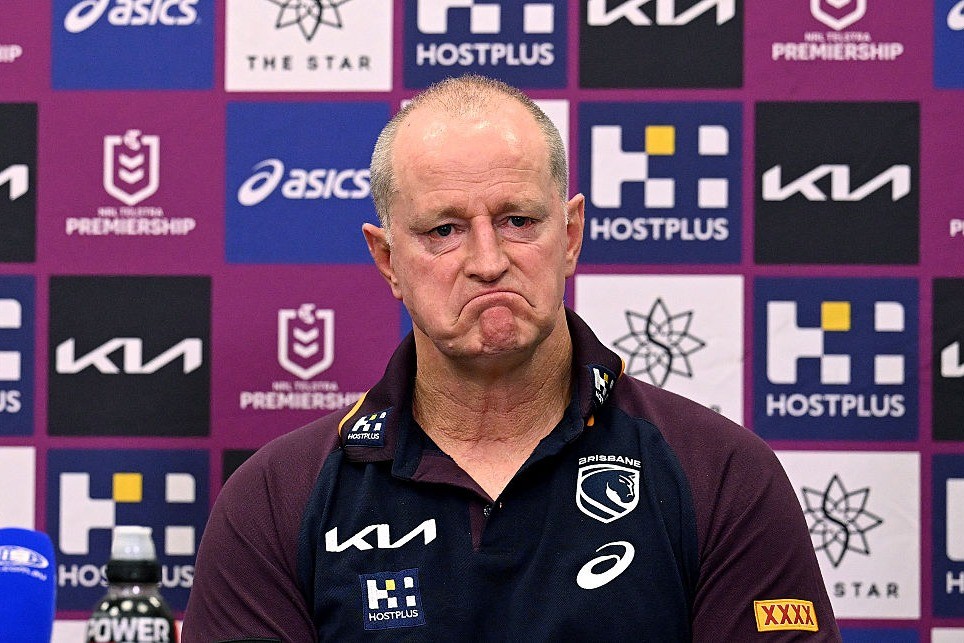
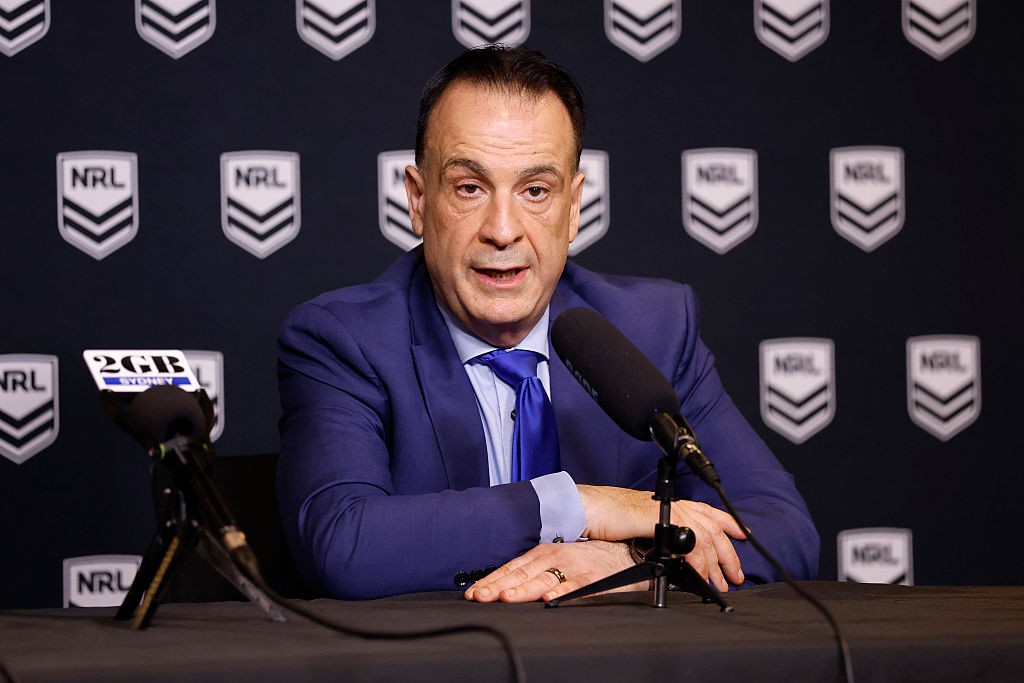
The NRL’s media cop is a disgrace, yet almost nobody seems to be talking about it. Andrew Venables tackled it in The Australian and Malcolm Knox wrote about it in The Herald, correctly identifying the rule as a Trojan horse.
It is being sold as protection against conflicts of interest. Spare me. The NRL has generally tolerated those conflicts when they suited the game’s powerbrokers; the real purpose here is to stop criticism, modify behaviour and eventually make that obedience feel normal.
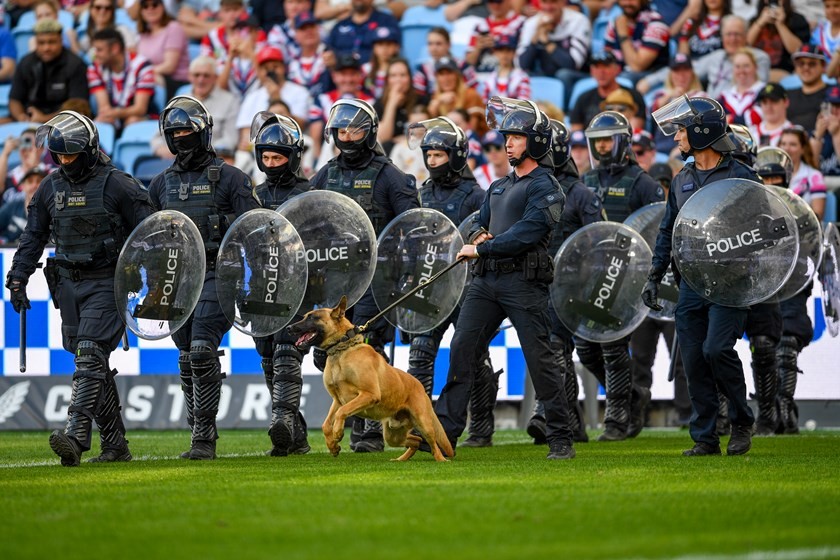
Worse, the rule arrived without consultation or any genuine concern for the rugby league community, then got buried inside the broadcast deal. I don’t believe enforcement will be black and white. Who gets punished will matter more than what was actually said, with their club, NRL and media roles all thrown into the mix.
That is not justice. It is a kangaroo court. I think the first punishment will open Pandora’s box, and legal action or an organised resistance may be the only way to stop it.
The new game is erasing the old one
Rugby league is vastly different from the game I began covering, and pretending every change represents improvement is childish. Interpretations have altered how it looks and how it is played, while every new reality quietly destroys another piece of the old one.
I reckon I can almost identify a critic’s birth decade from what they complain about. When I was younger, I dismissed the concerns of older supporters because change was easier to accept. Now I understand them.
A 20-year-old knows only this version of rugby league. Many Wests Tigers supporters know only the merged club, while those under 30 will not remember the separate clubs that came before it. That generational divide matters because history is not clutter to be cleared away. It gives the game weight. Lose enough of it and rugby league becomes another manufactured entertainment product with no memory.
Johnny Gibbs has the game behind him
Johnny Gibbs revealed he has Hodgkin’s lymphoma, and the whole rugby league community is entitled to rally around him. Everybody in the game knows him. Everybody likes him. He apparently receives his treatment plan on Friday.
Gibbs has commentated since the 1980s after being a terrific halfback, a Manly man through and through and a player who looked and moved unlike anybody around him. His socks sat around his ankles, his head went back when he ran and he had speed and dash off the mark.
Halfbacks of that era were often runners before game management swallowed the position. Gibbs could dummy, hit a hole and take a break the distance. He then carried that understanding into nearly 40 years of highly competent media work.
This is bigger than football. The game now gets its chance to return the loyalty Gibbs has shown it for decades.
Fitzgibbon has finally unlocked Hynes
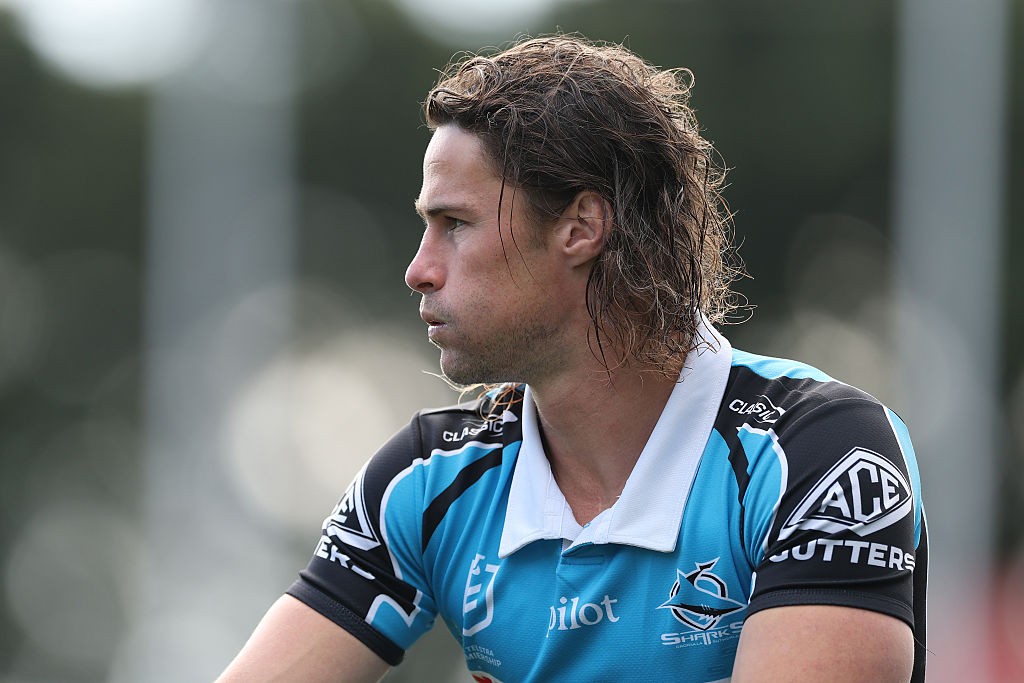
Craig Fitzgibbon has made the smartest tactical adjustment of Cronulla’s season by shifting Nicho Hynes from chief playmaker to secondary threat behind Braydon Trindall. He even left the number seven on Hynes’s back, avoiding the circus that would have followed a public demotion.
Hynes has endured a tough examination since winning the Dally M, which I think came in his first Cronulla season, but the criticism was not unrealistic. Earlier this year he repeatedly drifted across field and dropped the ball underneath, creating no threat while defenders simply waited for the recipient. Hynes is not lazy. That play was.
Now he is running. That changes everything. Trindall handles more of the organising and kicking, while Hynes attacks retreating defenders instead of phoning in a harmless pass. He has also simplified his focus around defence and fundamentals, following the philosophy Andrew Ettingshausen used throughout his career.
Cronulla no longer look like a bread-and-butter side destined to hover between fourth and sixth. Their run home is favourable, second place is a real possibility and, if this improvement holds, they can do damage. I don’t think they will catch Penrith, although they could.
Thirty-two straight kicks are no accident
Hynes’s 32 consecutive goals are not a novelty. They are evidence of confidence, repetition and a craft that has been transformed across generations.
He is level with Nathan Cleary and chasing Hazem El Masri’s record of 35, set in 2003. Hynes says he tries not to think about the streak, then counts the number whenever he lines up. Of course it is in his head. Good on him for admitting it.
El Masri was not originally Canterbury’s first-choice kicker. Daryl Halligan, one of the greats, worked heavily with him after retiring and brought across methods that enlarged the ball’s sweet spot and created more margin for error.
The old sand bucket has disappeared. Modern kickers use measured setups because the approach lets the leg follow its natural action, producing cleaner contact. Graham Arnold once compared it to a golf swing: the ball sits still, so the action should be repeatable. Hynes is proving the point under pressure.
Manly protected Turbo — now they must win
Manly made the correct call by keeping Tommy Turbo off the flight to Perth. Sports science raises concerns once travel exceeds four hours, the body can swell during long flights and sending him over to play before flying him straight home would raise two unnecessary red flags.
Protecting him is sensible. Using his absence as an excuse would be pathetic.
Manly are in trouble and need to rediscover Fosball after roughly a month without it. They probably did not mark Melbourne in Perth as a likely victory when the season began, but circumstances have changed. They should win now, and they have to win.
Another defeat leaves them losing touch. The safe decision on Turbo only works if everybody else accepts the urgency and starts playing proper football.
Matt King must restore Origin’s mythology
Matt King deserves his chance, but handing one of rugby league’s most important coaching jobs to a rookie remains a huge gamble. He has never been a head coach anywhere, although he has completed the training, worked as a Roosters assistant since around 2017 and experienced the Melbourne system as a player.
I liked how he presented himself and prepared for every question. I will not death-ride him. I think the appointment is a chance, but Origin coaching is not primarily about drawing moves on a whiteboard. It is about getting inside players’ heads and teaching them that Origin demands different effort, different expectations and repeated involvement after the ball has passed them.
Phil Gould understood that through his famous bedtime stories. Before one game, he took players to Footy Stadium, placed them in their kickoff positions under lights and made them sit silently for ten minutes imagining how they would begin the following night.
That mythology has probably faded. Michael Maguire tried hard to reconnect former players with the modern group, while Mal borrowed heavily from the past to remind players whom they represented. Wally Lewis helped create that magic through an almost consuming hatred of New South Wales.
King’s biggest job is not tactics. It is making players feel that history again.