The PNG deal is clear as mud
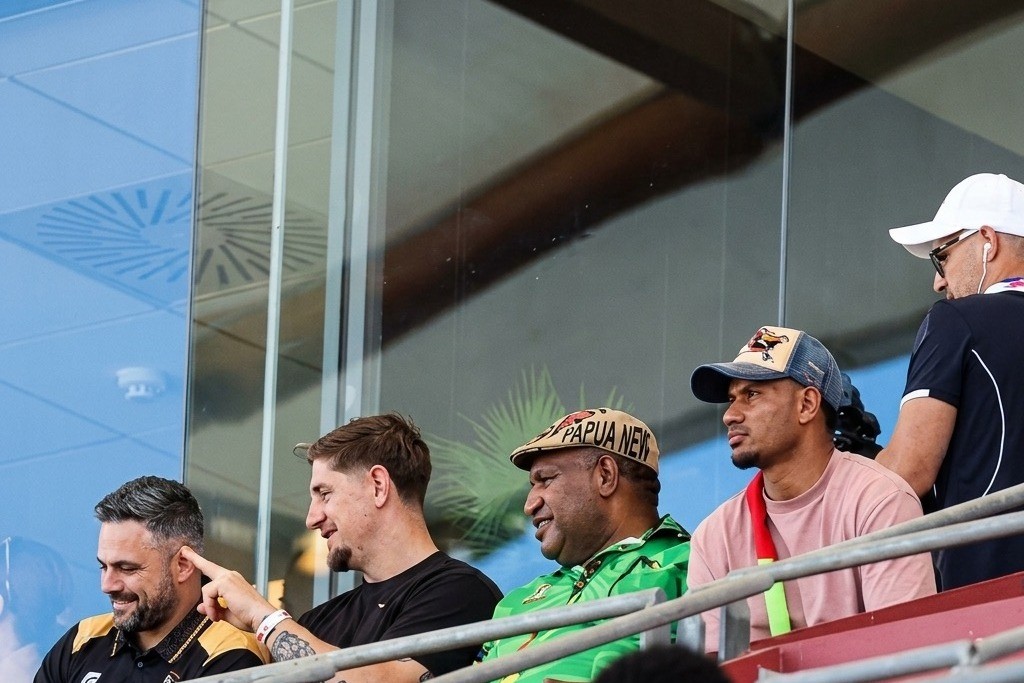
Did the clubs know Papua New Guinea’s salary cap would be tax-free? The best answer is probably. Did they know third-party money would also be tax-free? That is where the story falls apart.
The clubs took $4 million each to approve the new team. That should have bought certainty. Instead, the record is contradictory. Some accounts say the tax-free salary cap was understood. Others say it was not. On the third-party tax treatment, the picture gets even murkier.
That distinction matters. A tax-free salary cap is one advantage. Tax-free third-party money is another kick entirely. If that second benefit was not made crystal clear before the clubs signed off, then the approval was built on a half-briefing.
I am not alleging anybody has broken a rule. I am saying nobody can state with confidence what the clubs approved. That is amateur-hour administration. A deal this significant should be written in granite. Instead, it is clear as mud.
Kill third-party deals or expose every dollar
Third-party deals are already rotten because competitive fairness cannot survive inside a system the clubs do not trust.
Brisbane have always held an enormous advantage. Every player in their top 30 gets a car, while most other clubs provide them to three or four players, perhaps five. Meanwhile, markets such as North Queensland, Canberra, Newcastle and Cronulla have less corporate money available, yet their larger local deals can be rejected because the NRL decides a player is not worth that amount.
That is haphazard governance. A player can carry one value in his local market and another elsewhere, but the league applies loose interpretations without giving anybody confidence in the result.
I have repeatedly asked for each club’s total declared third-party payments, without identifying individual players. Instead, the figures are squeezed together to make the gap look smaller, club details remain hidden and rival clubs dismiss the published numbers. I do not believe the system for an instant.
The clean fix is abolition because players are now well paid through the salary cap. If sponsorships must remain, disclose the totals and enforce hard protocols. Transparency kills dodgy deals. Secrecy feeds them.
The NRL’s silo culture breeds distrust
The NRL created its own trust crisis by running the game through silos and treating basic information as a state secret.
The system arrived during the commission era because information kept leaking and administrators could not identify the source. Staff were placed on a need-to-know basis, which narrowed the suspect list whenever something escaped, and witch-hunts followed.
That might protect secrets. It does not run a competition.
Clubs already learn what rivals are doing because player managers carry demands across the market: match this money, copy this arrangement, find the same salary-cap mechanism and the player might sign. Everybody hears the whispers while distrusting the official information handed to chief executives.
That is how paranoia becomes policy. The clubs know enough about each other to be suspicious but not enough about the system to believe it is fair. The NRL must stop governing through concealment and start governing through rules everybody can see, test and trust.
Take the money, do the media
Players refusing agreed media duties should be fined. No excuses. No prolonged negotiation.
The players wanted a greater share of the game’s income and now receive a larger percentage of overall revenue than participants in most other sports. The trade-off was simple: help promote the game that generates the money.
Reece Walsh, Latrell Mitchell and David Fifita have removed themselves from media circulation and refused interviews, despite the players’ association agreeing to the standard. Mitchell deserved protection when Peter V’landys stepped in during racial vilification, but that cannot become a permanent exemption. It is time to return.
I think every player must speak at least once a month. Miss that obligation and cop a $10,000 fine; miss it again next month and cop another. Players cannot accept salary-cap increases, collect third-party income and then decide promotion is somebody else’s job.
Nobody can force them to speak. Fine. Democracy preserved. But an agreement without consequences is worthless.
Australia face a match-fitness trap
Kevvie Walters cannot pick Australia’s World Cup side on reputation because too many established players will arrive cold.
I think 11 of the starting 13 from the third Test against England will miss the finals. A team can carry two cold players. It cannot carry almost an entire side.
Nathan Cleary and Isaah Yeo will play finals, while Addo-Carr will not and Noa Ngata-Waese is going to rugby. Angus Crichton is also going to rugby and I do not think he will be selected. Hudson Young is injured, while Shibasaki and Kotoni Staggs are out of form. Bradman Best will be there.
The halves are worse. Cameron Munster is injured and may play only one or two games before missing the finals, Mitchell Moses is also outside them, Ethan Strange is an option and the position around Tom Dearden remains unclear.
If the draw offers soft early games, Walters might use them to restore match fitness. Otherwise, he must reward players whose bodies are ready rather than famous names running on memory.
Finals pressure will expose the frauds
This round will strip away excuses because several clubs have reached the point where performances matter more than promises.
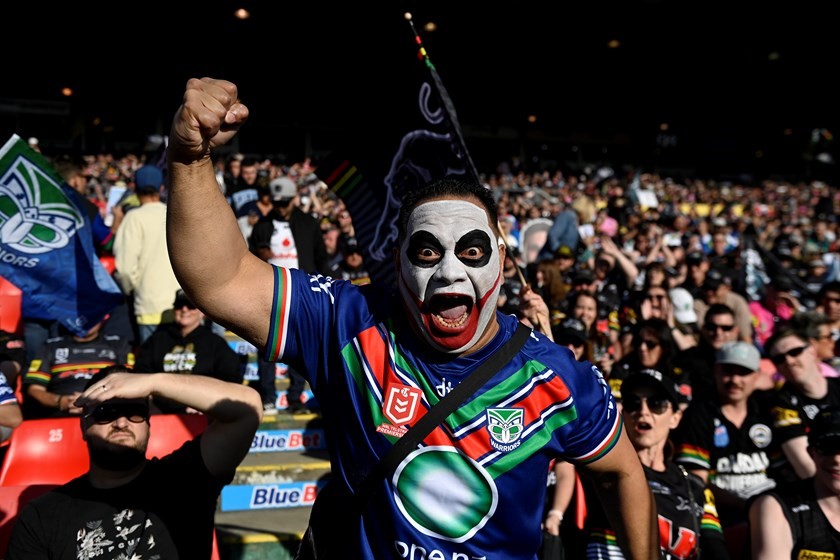
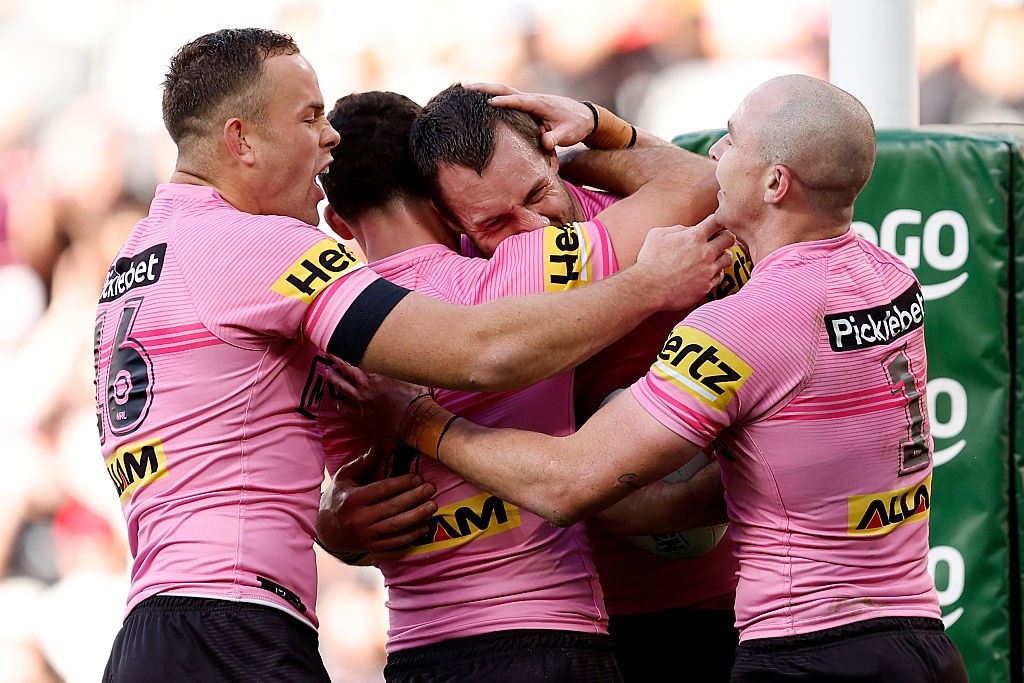
The Warriors keep getting the job done and have been genuinely impressive, but Penrith are the examination they need. The Panthers returned to form against Canberra after an indifferent month, and this match should reveal whether that revival was real. Even a Warriors loss can strengthen their standing if they handle the contest properly.
Canterbury have improved significantly, but the Roosters will attack their credibility. Canterbury must suffocate Sam Walker, sending heavy traffic around him and becoming brutal whenever he touches the ball. The Sharks remain better placed in the minor-premiership race because they have the softest draw of the leading four.
Manly have wet the bed. They are a top-eight squad, they have fallen outside it and missing the finals would make this a failed season. Injuries are no defence when Brisbane, the Tigers, Canberra and Penrith have all endured their own runs. Get through it or own the failure.
The Dolphins can deepen Brisbane’s crisis because they have given the city’s anti-Broncos faction a real home. The Broncos have finally learned to shut up, but former figures publicly bitching and moaning still damage the club more than they help it.
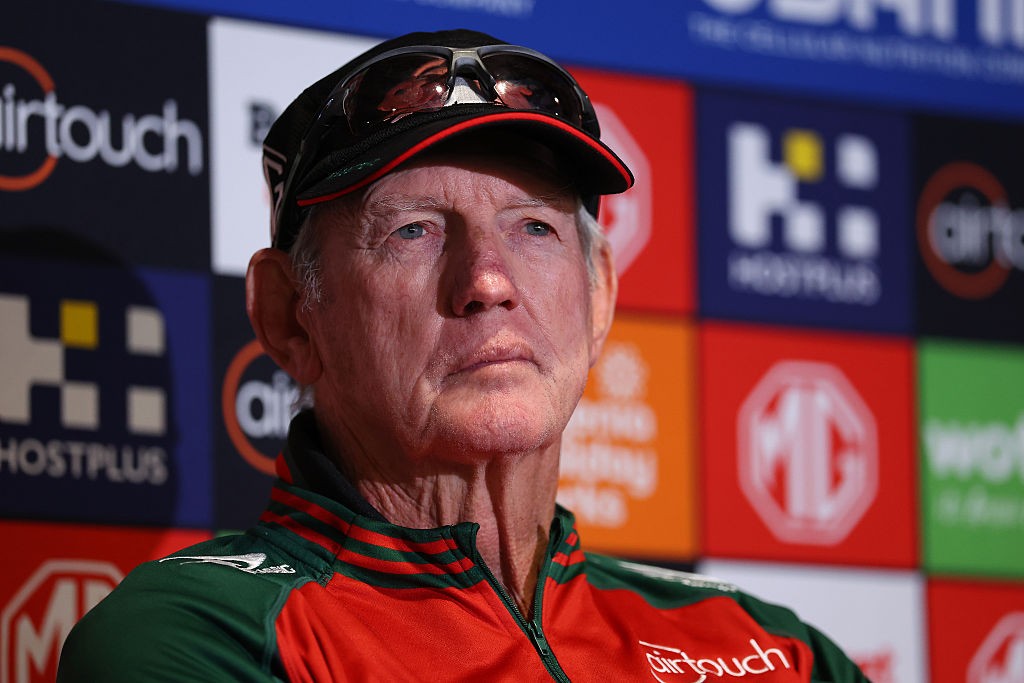
I expect South Sydney to beat Parramatta, although Parramatta’s record in the match-up and Volkman’s form make it dangerous. Newcastle will beat Canberra because they are better coached and more trustworthy, while the Dragons face a long afternoon against a Sharks side in rare form. Nico needs four consecutive goals to pass Hazem El Masri’s record of 35, and I reckon he is a huge chance.