Brazil will expose the Socceroos and that is exactly what we need
Brazil are the test we need
Brazil arriving with a star-studded squad is brilliant for Australian football because these are the matches that tell the truth. We have to be competitive, but more importantly I want to see progress across both games rather than a side hanging on and calling survival a success.
I know what facing Brazil feels like. Three of my first five official Socceroos caps were against them, two in Australia and one at the Olympic Games, and two of those experiences were very forgettable.
That is the level. Brazil punish loose touches, poor decisions and defenders who switch off for half a second, so there is nowhere to hide and no point pretending otherwise. Popovic will learn more from these two matches than he would from comfortable wins against ordinary opposition.
Popovic deserves huge credit for Herrington
Tony Popovic deserves huge credit for what he did with Lucas Herrington. I’ve criticised some of his decisions, but he got this one absolutely right.
Plenty of coaches would not trust an 18-year-old in that position. Popovic spotted him, backed him and kept playing him when very few people knew just how good he was.
The talent belongs to Herrington. The coach did not make him. But every young player needs someone prepared to take the risk and give him a proper chance.
Popovic did that, and I have no doubt it helped put Herrington on the path to the top level. That is outstanding coaching.
The striker shortage is our own doing
The Socceroos are far too light at centre-forward, and the A-League has helped create the problem. Tete Yengi is the only recognised striker in this squad, while Australian clubs have traditionally filled the number nine position with overseas players instead of producing and playing their own.
Mitch Duke and Jamie Maclaren have been exceptions, but Australia once produced genuine centre-forwards regularly, including Mark Viduka and David Mitchell. I reckon this problem has been obvious since the Fox Sports days, yet it keeps getting pushed down the road.
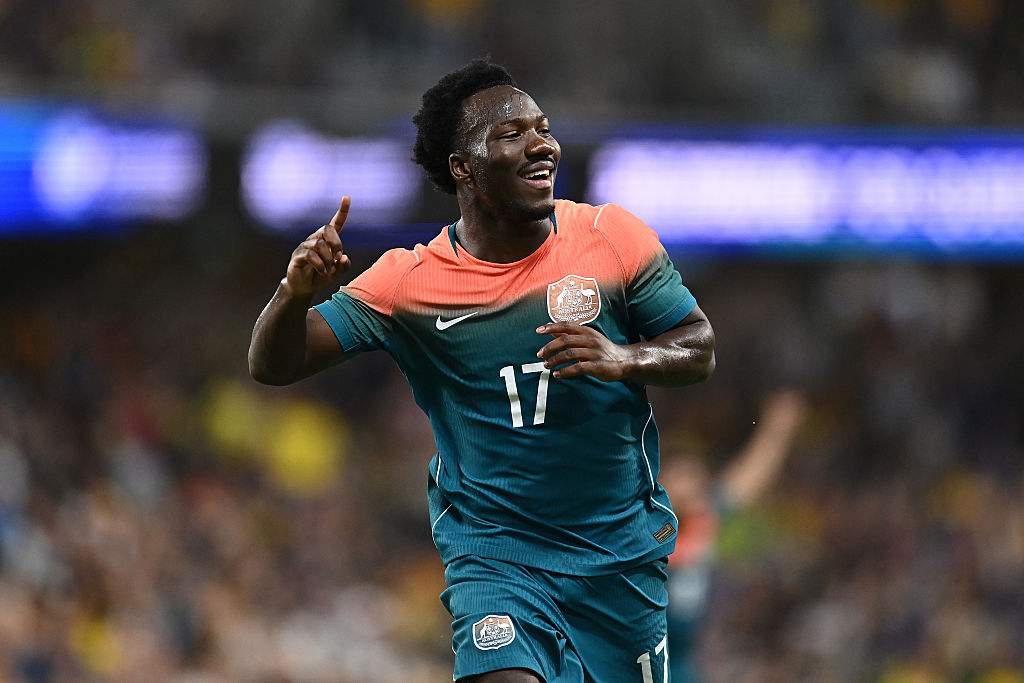
Yengi should start. Nestory Irankunda is not a number nine because his best work does not come with his back to goal; he is far more dangerous dropping into a pocket or exploding into space. His recent move and latest start should have him full of confidence, but forcing him into the wrong role would waste his greatest weapon.
The injuries make matters worse. Cristian Volpato could be out for six weeks with a hamstring problem, while the other attacking injury looks even more serious. Both had begun the season flying.
I was right to oppose the 1997 strike
I opposed the 1997 player strike and I remain convinced I was right. We had just failed to qualify for the World Cup, and threatening to refuse to play at the Confederations Cup over a payment that had not been negotiated beforehand would have made us look terrible.
Alex Tobin and Craig Foster led the action, meetings became heated and we declined to train several times. I recall only Ned Zelic, Steve Horvath, myself and one other player boarding the bus on one occasion, while younger members of Terry Venables’s huge squad were under pressure.
A secret ballot still favoured striking, although it was less decisive than the public show of hands, and the threat was real with perhaps two days left before the tournament. Venables refused to become involved, which was fair enough, but I was isolated and treated badly by certain teammates.
We eventually received a big payday, the largest cheque of my Socceroos career, but that does not make the tactics right. The episode contributed to my decision to retire after the tournament because I no longer wanted to be part of that environment.
Kewell belonged on the biggest stage
Harry Kewell was already different as a teenager. Off the pitch he could sit quietly playing PlayStation, but once the match started he became emotional, fearless and capable of exploding into the contest.
He scored the winner as Australia beat Uruguay in the Confederations Cup semi-final, having already delivered in both legs against Iran, and his confidence came from performing in the Leeds first team at such a young age. Eddie Thompson had been desperate to cap him because England would have pursued him, and rightly so; they were using Paul Scholes in that position and Harry would have played plenty of matches for them.
Brazil put us firmly back in our place in the final, with two of their forwards scoring hat-tricks, but reaching that match showed what Harry could do for Australia. His talent was never the question. Injuries later arrived at critical moments, yet his contribution to the Socceroos remained immense.
Cahill stays number one
Tim Cahill is number one on my list of Australia’s greatest players, and I am not changing it. A ranking like this cannot be based only on raw talent; it must balance club achievement, influence and what a player delivered in the Australian shirt.
Harry Kewell is second because his natural ability was extraordinary, while Marco Bresciano sits tenth after a fantastic club and Socceroos career. Lucas Neill is ninth, Johnny Warren eighth and Jason Culina seventh, with Culina and Mile Jedinak among the great midfield candidates, although I still rate Culina and his regular partner as our best defensive pairing.
Johnny’s position reflects far more than what happened on the pitch. I began my media career alongside him at SBS, and his warning not to let the game consume my life has stayed with me. His off-field influence was immense.
Cahill wins because he made decisive moments his property. He was not the quickest or the greatest dribbler, but his self-belief and heading were exceptional, while his volley against the Netherlands remains the greatest goal in Socceroos history and one of the finest ever scored at a World Cup.