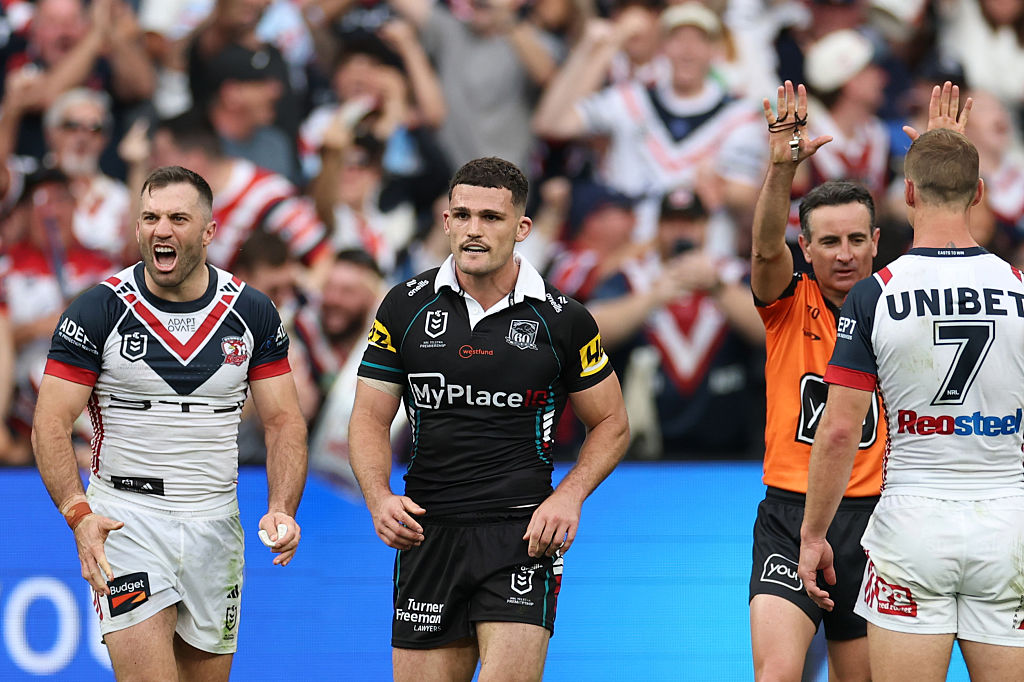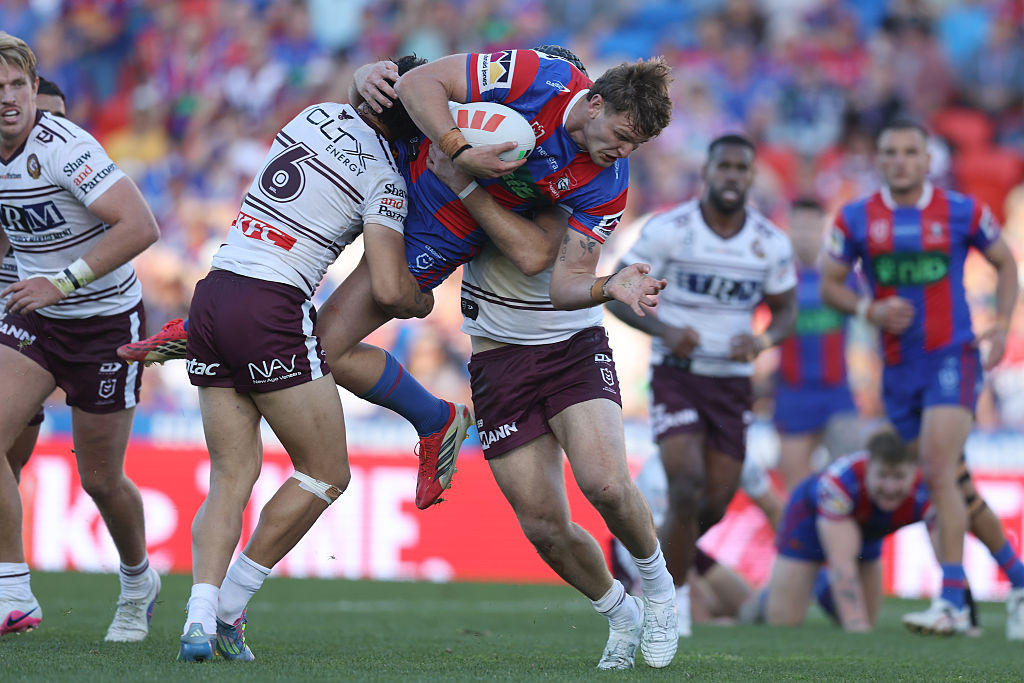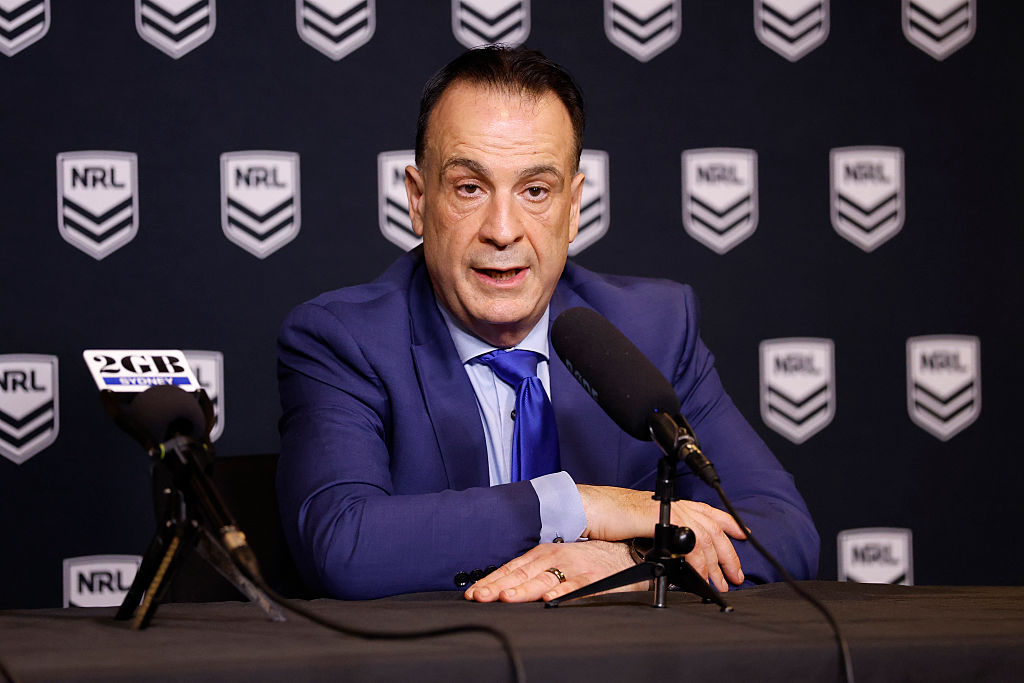
The HIA loophole has become a finals integrity test the NRL cannot duck
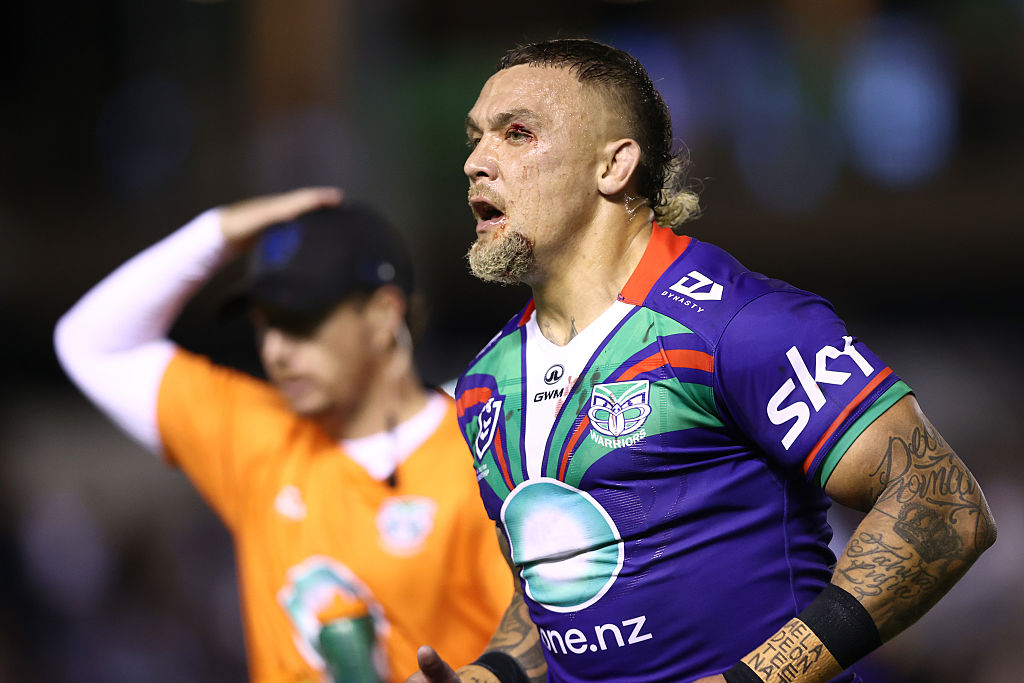
The HIA numbers demand a proper investigation
The NRL must close the HIA interchange loophole because the present system asks clubs to mark their own homework, then acts surprised when everybody gets suspicious.
The Warriors have five of the top 11 players for HIA departures this season, Wayde Egan, Mitch Barnett, James Fisher-Harris, Mitch Healey and Eddie Ieremia-Toeava, with only three of their combined 22 assessments deemed category one and players cleared to return 86 per cent of the time. Fisher-Harris went off in the 26th, 27th and 26th minutes across three matches, around the period when the Warriors usually make their first interchange.
That timing is impossible to ignore, although I thought the most recent incident could genuinely have required a check; the jury remains out on the previous two. The NRL sent the Warriors a please explain after the latest incident, while Mitch Kenny’s departure during the opening finals week also looked highly suspicious.
This is not exclusively a Warriors problem. Clubs have chased competitive advantages forever, and a front-rower receiving treatment, fluids and a rest before returning without costing an interchange is an enormous one. Independent doctors must control the process completely. Player safety cannot remain tangled up with interchange strategy.
The Warriors must rediscover their nerve
The Warriors will beat Newcastle if they stop protecting the scoreboard and start playing the football that carried them this far.
They were not flogged by the Dolphins; they remained in the contest until the final 15 minutes, but played within themselves, kicked penalty goals and tried to manage their way home. That conservatism betrayed a side whose greatest weapon has been flamboyant, destructive ball use.
Leka Halasima is a huge loss because his hamstring cannot be risked and, despite his limited NRL experience, he provides genuine X-factor to edges I already considered suspect. The halves must therefore become busier, because Newcastle have a dangerous left edge, Kalyn Ponga can break a game open and their back five may largely cancel out the Warriors’ clear advantage through the forwards. Sandon Smith has also been one of the buys of the season.
Still, 53,000 supporters at a sold-out Eden Park, producing New Zealand’s biggest rugby league crowd, should provide an enormous advantage. The Warriors dropped the ball by losing in week one. They cannot drop their bundle now.
Cleary will play — Penrith are built for this
Nathan Cleary will play in Penrith’s preliminary final. His preparation will be unconventional and the injury remains serious, but this club has repeatedly turned impossible recovery schedules into grand-final appearances.
Cleary damaged his foot in the 68th minute when his toe caught in the ground while tackling Celesti Fa'akahi, then kicked a field goal three minutes later. His rehabilitation includes up to an hour each day in a hyperbaric chamber, a bone-stimulation machine, light physiotherapy and considerable rest, although Penrith have not mapped out when he will resume running.
The concern is not primarily his kicking. NRL physio Brian Sweeney identified exploding off the mark and driving power through the foot as the greater issue, which matters enormously for a halfback defending close to the line.
Yet Penrith’s medical team has managed remarkable returns before, including Liam Henry coming back from a partial ACL tear after surgery was deferred. Api Koroisau remains the club’s folklore standard for pain tolerance, having once returned the week after an elbow injury expected to sideline him for four or five weeks. Cleary is equally meticulous. He will be there.
Dearden stays unless the Cowboys receive a star
Tom Dearden’s situation is real, but I cannot see him leaving North Queensland unless the Cowboys receive an elite replacement in return.
The speculation has circulated since March, when Dearden and his agent met the Cowboys and asked what a release to explore a Sydney club might look like. My mail is that North Queensland are fully aware of his circumstances and would consider a move only through a swap involving a State of Origin-calibre player. Dearden, meanwhile, continues to insist he is committed.
Every Sydney club with salary-cap room would make the call. Canterbury-Bankstown and South Sydney need halfbacks, while Parramatta would love to pair him with Mitchell Moses, although the Eels seem to be queueing for half the competition.
Luke Brooks is the more logical Cowboys development. Manly are open to him leaving, Todd Payten coached him earlier in his career, the pair share a strong bond and both have Isaac Moses as their agent. Brooks was playing career-best football before his ACL injury, and a move to North Queensland makes considerable sense. Dearden walking out without a top-class replacement does not.
Hansen gives Foran what every rookie coach needs
Steve Hanson is an outstanding appointment for Manly because Kieran Foran needs wisdom nearby, not another clipboard wandering around training.
Hansen coached the All Blacks in 107 Tests and lost only 10, while his relationship with Wayne Bennett began when he sought coaching guidance early in his own career. Now he can repay that generosity by becoming an invaluable sounding board for Foran, who is stepping directly from playing into coaching.
This will not be a Monday-to-Friday role. Hansen will remain mostly in New Zealand, make frequent trips to the Northern Beaches and be available by phone, which is precisely how it should work. Foran must remain the coach rather than a messenger for an imported guru, but having a sporting icon on speed dial should help him avoid mistakes before they become headlines.
Woolf has made the Dolphins his team
Kristian Woolf has done a superb job succeeding Wayne Bennett because the Dolphins now carry his toughness rather than living in somebody else’s shadow.
Woolf was once a tent boxer with Fred Brophy’s troupe under the fighting name Afro Savage, and that background is more than colourful trivia. He set the tone during pre-season by getting into a boxing ring with his players, delivering the unmistakable message that he would share the trenches rather than issue instructions from a safe distance.
The best evidence is individual improvement. Selwyn Cobbo is playing his best football at the Dolphins, Herbie Farnworth keeps getting better and Woolf has drawn Isaiya Katoa out of his shell while managing the delicate development of a young half.
His work with Tonga has been equally remarkable, building the nation into a powerhouse before his final World Cup campaign in charge. Good coaches talk about standards. Woolf has lived them, from driving 25 members of the Tonga group around in a 22-seat minibus to taking the hits alongside his Dolphins players.
Frizell is the leader the Tigers actually need
The Wests Tigers should pursue Tyson Frizell because they need a doer, not another bloke arriving with a speech about changing standards.
Frizell has a strong bond with Benji, who has tried to recruit him more than once, and good judges at Newcastle rate him among the finest leaders they have encountered. He is not a big talker; he demands from teammates what he delivers himself, which is exactly why he would fit a club still travelling in circles with the same problems.
The Tigers did not receive the leadership they required from Jarome Luai, and there is no point dressing that up. They have heard enough declarations about culture and accountability. Frizell and Kurt Capewell would provide seasoned, hardened professionalism through action, showing younger players what preparation and resilience look like when nobody is holding a microphone.
Frizell would love to stay where he is and remains focused on the finals, so nothing is settled. But if the Tigers can land him, they should. Leadership is not volume. It is proof.